

Discovering the orchids of the Inca Jungle is not only a visual experience; it is an opportunity to understand an essential part of the ecosystem surrounding the ancient Inca citadel. Each species reflects the remarkable interaction between the Andes and the Amazon, illustrating why this region is regarded as a true botanical treasure and an unmissable destination for lovers of nature and biodiversity.
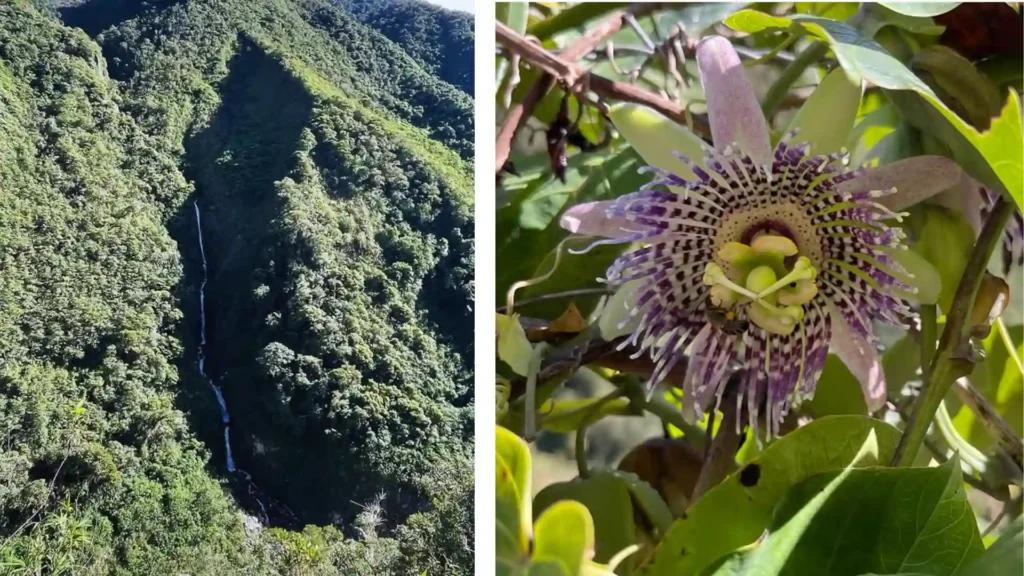
Recent botanical studies and field observations have identified over 50 orchid species along the Inca Jungle route, many of them thriving in the humid valleys and cloud forests that characterize the area. These findings have made the region a valuable reference point for researchers and travelers alike. To enhance the experience, a seasonal flowering calendar has been established, helping visitors plan their trip according to the months with the highest likelihood of witnessing orchids in full bloom.
In addition, experts have developed a hotspot map that highlights the best zones for orchid observation, particularly around transitional ecological corridors where humidity, shade and altitude combine to create ideal growing conditions. For photography enthusiasts, professional guides now share specialized techniques for botanical photography, allowing travelers to capture detailed images without disturbing the natural environment.
Conservation remains a fundamental aspect of orchid observation. Visitors are encouraged to follow responsible viewing guidelines, which help protect fragile species and maintain the ecological balance of the landscape. This information is reinforced by updated 2025 scientific data from SERFOR, as well as insights from expert field guides who monitor the flora of the Andean,Amazonian transition zone.
Botanical Jewels of the Inca Jungle
Masdevallia veitchiana – “Dragon Orchid”
- An endemic species of Peru, admired for its fiery colors and unique dragon‑like shape.
Phragmipedium kovachii – A Modern Discovery (2002)
- One of the most spectacular orchids found in recent decades, celebrated for its large, vibrant purple flowers.
Epidendrum secundum – “Soldier Orchid”
- Known for its clustered blooms that resemble a disciplined formation, adding bursts of pink along the trail.
Oncidium spp. – “Dancing Ladies”
- Delicate orchids with petals shaped like ballerinas in motion, though many species are now endangered.
For travelers along the Inca Jungle, some orchids are especially easy to spot thanks to their vivid colors and distinctive traits. The Epidendrum ibaguense dazzles with bright orange flowers that line the trail, while the Prosthechea vespa mimics the appearance of wasps, a clever adaptation that fascinates botanists and hikers alike. Adding a sensory dimension, Maxillaria species release a sweet coconut fragrance that lingers in the humid air, and the miniature Pleurothallis species captivate observers with their delicate, almost hidden blooms. Scientific Insight: “The Santa María Santa Teresa section concentrates 60% of orchid diversity thanks to its unique microclimate between 1,500 and 2,000 meters above sea level.” Dr. Luis Camargo, biology specialist. Together, these orchids illustrate how the Inca Jungle is not only a cultural passage to Machu Picchu but also a living laboratory of biodiversity.
Ideal Seasons for Orchid Observation
The Inca Jungle offers distinct flowering rhythms that make each season unique for orchid lovers. During the dry season (May–July), visitors enjoy peak blooming, with up to 85–95% of species in flower, especially spectacular orchids such as Masdevallia and Phragmipedium. In the transition months (April and August), flowering reaches 70–80%, highlighting colorful Oncidium and Epidendrum varieties. The rainy season (November–March) brings lower flowering rates of 30–40%, yet still rewards travelers with fragrant Prosthechea and Maxillaria orchids. Phenological studies reveal that buds appear 1–2 months before flowering, blooms last 2–6 weeks depending on the species, and rainfall can accelerate flowering but shorten the lifespan of blossoms. The ideal temperature range for orchid vitality is 15–22°C, with cool nights providing the perfect microclimate for this dazzling diversity.
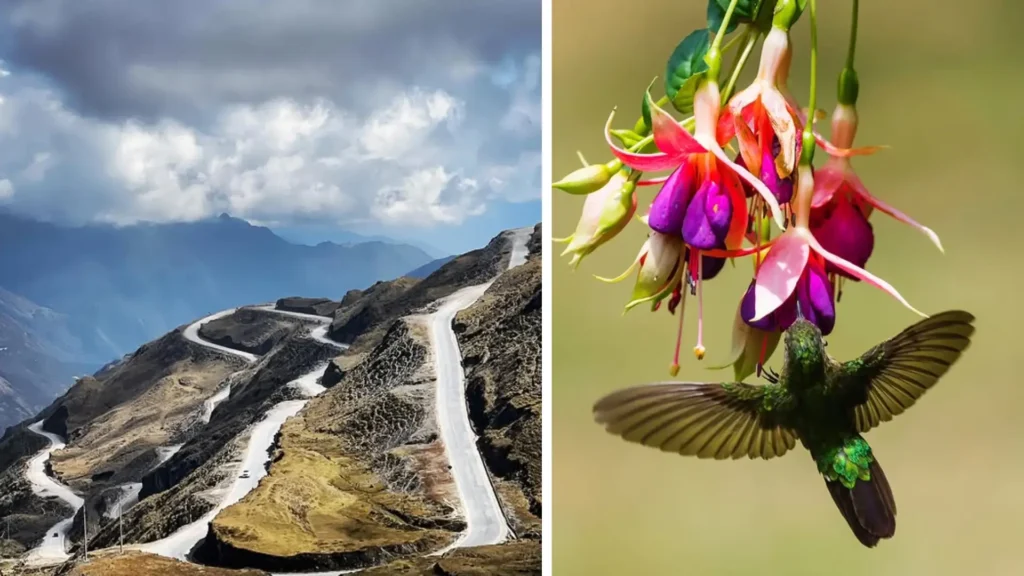
Key Zones for Orchid Observation
Protected Areas – Rules for Responsible Viewing
- No collection: Extracting orchids can result in fines of up to $10,000.
- Stay on marked trails: Avoid stepping off established paths to protect fragile ecosystems.
- No touching: Even fingerprints can damage delicate orchid flowers.
Confirmed Hotspots
| Section | Altitude (m.a.s.l.) | Key Species | Distance from Trail |
| Abra Málaga (starting point) | 3,800–4,000 | Masdevallia spp. | 5–10 m |
| Quebrada San Luis | 2,200–2,500 | Phragmipedium kovachii | 15–20 m |
| Santa María – Santa Teresa | 1,500–1,800 | Oncidium, Epidendrum | 3–5 m |
| Cocalmayo Hot Springs | 1,550 | Prosthechea, Maxillaria | On the trail |
Scientific Insight: “The Santa María Santa Teresa section concentrates 60% of orchid diversity thanks to its unique microclimate between 1,500 and 2,000 meters above sea level.” Dr. Luis Camargo, biology specialist
Professional Orchid Photography
Ana Torres (Botanical Photographer) emphasizes that “the best shots are taken at dawn, when the flowers are fully hydrated. Portable diffusers are essential to soften harsh shadows in the cloud forest.”
For scientific photography, specialists recommend:
- A camera equipped with a 1:1 macro lens (or additional macro lenses)
- A metric scale for accurate size reference
- A ring flash or diffuser to balance lighting in dense vegetation
- A mini tripod to stabilize low‑angle shots and capture fine details
This combination of artistic and scientific techniques ensures that orchid photography along the Inca Jungle is both visually stunning and scientifically valuable, preserving the delicate beauty of these species while documenting them responsibly.
FAQ: Orchids of the Inca Jungle
Do I need a specialized guide to see orchids?
It is recommended but not mandatory. Local guides can identify:
- Species in bloom
- Exact locations
Fascinating ecological facts
- Still, many orchids are visible directly from the main trail.
Which section is best for observation?
Day 2 (Santa María–Santa Teresa) offers:
- The greatest diversity (30+ species)
- Flowers at eye level
- Varied microclimates
- A mix of waterfalls and scenic viewpoints
Can I take samples or seeds?
Absolutely not. Collection is prohibited under:
- Peruvian wild flora law
- International conventions (CITES)
Protection of endemic species
- Fines can exceed $5,000 USD.
Are there specialized orchid tours?
Yes, operators include:
- Orquídeas Andinas: Scientific tours
- Jungle Flora: Photography‑focused trips
Inca Orchid: Trekking combined with orchid observation
- All must hold permits from SERFOR.
What should I do if I find a new species?
- Photograph without disturbing the plant
- Record GPS coordinates
- Contact the Natural History Museum of Lima
- Avoid sharing the exact location on social media
Final Tip: “Carry a printed field guide. Connectivity is limited and apps don’t work well in the jungle. The ‘Inca Jungle Orchid Guide’ costs S/80 in Cusco and features 120 species.” – Biologist María Fernández
Let the Inka Jungle transform your path its mystery, its wilderness, and its ancient soul are waiting to guide you toward an unforgettable experience.