
The Inca Jungle Trek is one of the most thrilling and diverse ways to reach Machu Picchu. Unlike the classic Inca Trail, which is limited to 500 permits per day, this route combines cycling, rafting, zip‑lining, and hiking into a four‑day adventure across multiple microclimates from snow‑capped mountains to tropical jungle.
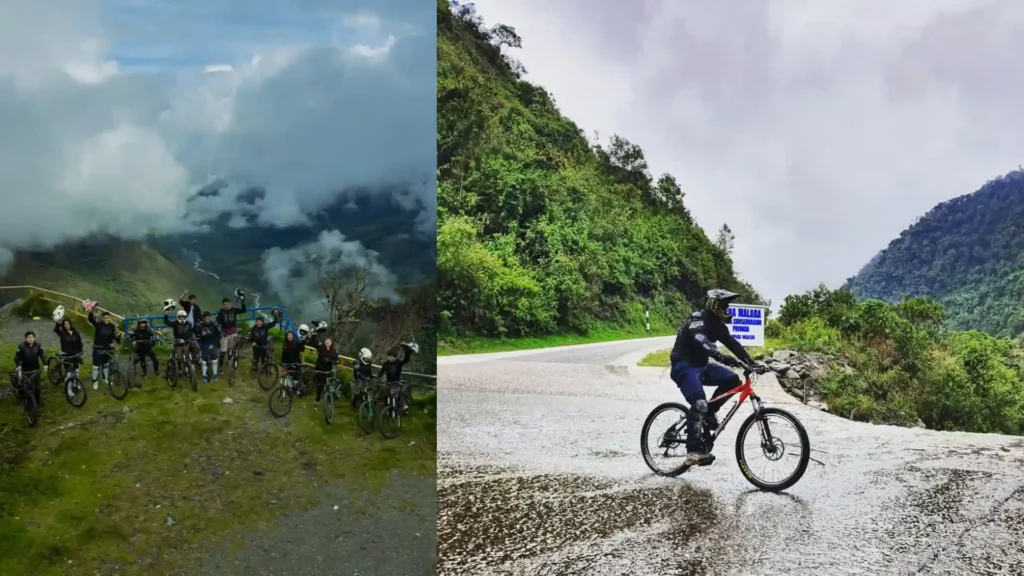
Can you imagine an experience that combines the thrill of mountain biking, the adrenaline of white‑water rafting, and the excitement of zip‑lining, all set in the lush Amazon jungle? The Inca Jungle Trek is the perfect adventure for you! In this guide, we’ll walk you through everything you need to know to plan your journey in 2025 from the basics to insider tips that will make your trip unforgettable.
What is the Inca Jungle Trek?
The Inca Jungle Trek is an alternative route to reach Machu Picchu, one of the Seven Wonders of the Modern World. Unlike the Classic Inca Trail, which is a traditional hike, the Inca Jungle is a multi‑adventure journey that blends different activities:
- Mountain Biking: An exhilarating downhill ride through stunning Andean landscapes.
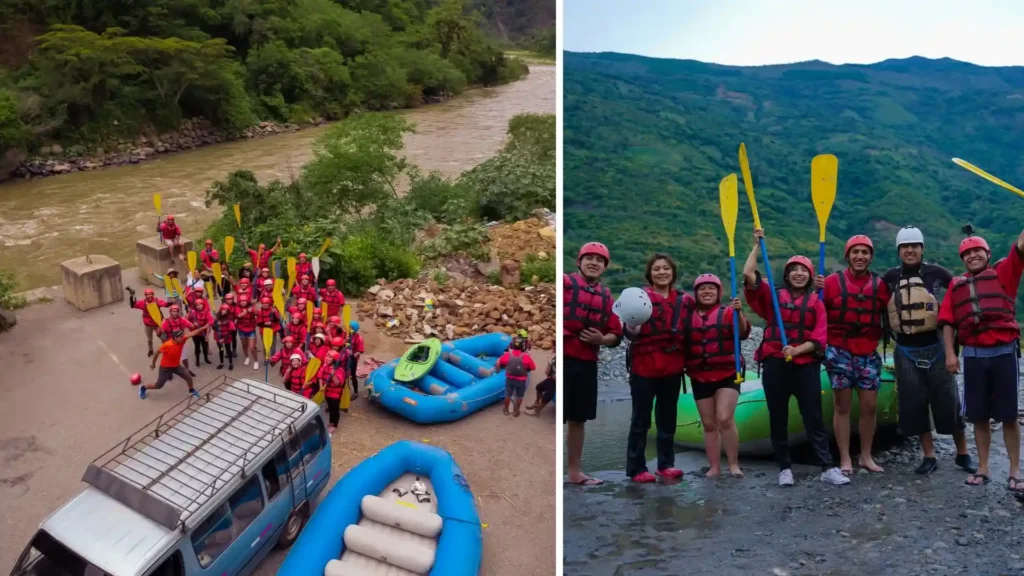
- White‑Water Rafting: Navigate the Urubamba River’s rapids, surrounded by jungle scenery.
- Zip‑Lining: Fly above the forest canopy for panoramic views of valleys and rivers.
- Trekking: Walk along ancient Inca paths, discovering history and culture.
- Cocalmayo Hot Springs: Relax and recharge in natural thermal waters after a day of adventure.
Why Choose the Inca Jungle Trek?
The Inca Jungle Trek offers a truly unique and memorable experience. Unlike the Classic Inca Trail, which can be more demanding and crowded, the Inca Jungle is more accessible to travelers of different fitness levels and adds a thrilling mix of adventure activities.
Here’s why it stands out:
- Variety of activities: Not just hiking you’ll also enjoy mountain biking, rafting, and zip‑lining.
- Amazon jungle immersion: Walk through lush vegetation and discover the rich biodiversity of the region.
- Cultural and historical encounters: Explore ancient Inca paths and archaeological sites along the way.
- A different arrival to Machu Picchu: Reach the citadel in a way that feels adventurous and unforgettable.
How Long Do You Need for the Inca Jungle Trek?
The trek can be completed in two main formats:
- 4 days / 3 nights: The most popular option, allowing you to experience all activities at a comfortable pace.
- 3 days / 2 nights: A shorter version for those with limited time or seeking a lighter itinerary.
The choice depends on your schedule and fitness level, but both options guarantee a mix of adrenaline, culture, and breathtaking scenery before arriving at Machu Picchu.
Altitude on the Inca Jungle Trek
The Inca Jungle Trek crosses a wide range of altitudes, making it a journey through diverse landscapes. The adventure begins in Cusco, at about 3,400 meters above sea level, and climbs to the Abra Málaga Pass, the highest point of the route, at approximately 4,350 meters. From there, the descent takes you to Santa María, located at 1,400 meters. Later, before the zip‑line activity, you’ll reach Santa Teresa, at around 1,800 meters, and finally arrive in Aguas Calientes, the gateway to Machu Picchu, at 2,040 meters.
Climate on the Inca Jungle Trek
The climate varies greatly due to the trek’s geographical diversity. During the rainy season (November to March), expect warm and humid days with frequent heavy rains. Trails can become slippery, and rafting conditions are more intense, so waterproof gear is essential. In the dry season (April to October), days are sunnier and more pleasant, while nights can be cold at higher altitudes. Layered clothing is recommended to adapt to the temperature changes throughout the day.
Best Time to Go
The best months to do the Inca Jungle Trek are May to September, during the dry season. Weather is more stable, trails are safer, and activities like biking and zip‑lining are more enjoyable.
Acclimatization Before the Trek
Before starting the trek, it’s important to acclimatize to Cusco’s altitude. Spending two or three days exploring the city and the Sacred Valley helps your body adjust. In Cusco, highlights include the Plaza de Armas, the Cathedral, Koricancha, and Sacsayhuamán. In the Sacred Valley, you can visit Ollantaytambo, Pisac, and Chinchero. This preparation ensures you’ll be ready to fully enjoy the adventure of the Inca Jungle Trek.
What to Pack for the Inca Jungle Trek
To fully enjoy your Inca Jungle Trek experience, it’s essential to bring the right items without overloading your backpack. Here’s a guide organized into sections:
Documents
Essential Travel Papers
- Passport: Required to enter Peru and access Machu Picchu.
- National ID card (DNI): If you are Peruvian.
- Train ticket: For the return from Aguas Calientes to Ollantaytambo.
- Tour voucher: Printed or digital, to show to the guides.
- Travel insurance: Recommended to cover medical expenses and emergencies.
Clothing
Trekking Apparel
- Light, breathable clothes: Hiking pants, short‑ and long‑sleeve shirts, a fleece or light jacket.
- Rain gear: Raincoat or poncho, since the weather can be unpredictable.
- Hiking boots: Comfortable, durable, and waterproof.
Accessories
- Hat or cap: Protection against sun and rain.
- Sunglasses: To protect your eyes.
- Gloves: Useful during cold nights at higher altitudes.
Equipment
Trekking Gear
- Backpack (40L): Ideal size to carry your belongings.
- Trekking poles: Help on uneven terrain and reduce knee impact.
- Reusable water bottle: Stay hydrated.
- Headlamp or flashlight: Essential at night.
Hygiene
Personal Care
- Microfiber towel: Quick‑dry and compact.
- Biodegradable soap: Environmentally friendly.
- Toothbrush and toothpaste: Daily hygiene.
- Mosquito repellent: Crucial in the jungle.
- Sunscreen: Protection against UV rays.
- First aid kit: For any eventuality.
Other Essentials
Extras That Make a Difference
- Cash: For snacks, drinks, or souvenirs.
- Snacks: Energy bars or dried fruit.
- Camera: To capture unforgettable landscapes.
- Plastic bags: To protect valuables from rain.
Additional Tips
Smart Packing Advice
- Pack light: Avoid carrying unnecessary items.
- Quick‑dry clothing: Keeps you comfortable in changing climates.
- Respect the environment: Don’t leave trash, stay on the trail, and don’t disturb local wildlife.
Information About Machu Picchu
Machu Picchu is one of the most iconic archaeological sites in the world. Built by the Incas in the 15th century, it was abandoned in the 16th century after the Spanish conquest. Hidden for centuries, it was rediscovered in 1911 by the American explorer Hiram Bingham, who revealed its existence to the modern world.
The citadel is a masterpiece of Inca architecture. Its terraces, temples, and stone walls were constructed with extraordinary precision, without the use of mortar. This engineering marvel demonstrates the Incas’ advanced knowledge of construction and their ability to adapt to the mountainous terrain.
Among the main attractions are the Temple of the Sun, the Temple of the Three Windows, the Main Plaza, the Sun Gate (Inti Punku), and the Intihuatana Stone, which was used as an astronomical tool. Each of these sites offers a glimpse into the spiritual and cultural life of the Inca civilization.
To enter Machu Picchu, visitors must purchase tickets in advance, either online or at official ticket offices. Planning ahead is essential, as daily entry is limited to preserve the site.
How to Book the Inca Jungle Trek
The Inca Jungle Trek is one of the most adventurous and diverse routes to Machu Picchu, combining biking, rafting, zip‑lining, and trekking. To book this experience, it is important to choose a reliable operator that provides clear itineraries, professional guides, and comfortable accommodations.
With Wonderful Machu Picchu Reservation, your journey will be unforgettable. The agency specializes in organizing the Inca Jungle Trek with expert local guides, cozy lodging options, and personalized service to ensure every traveler enjoys the adventure to the fullest. Their team takes care of all the details, from logistics to cultural insights, so you can focus on living the experience.