Have you ever imagined reaching Machu Picchu while practicing different adventure sports along the way? The Inca Jungle Trek is one of the most popular tours in Cusco, Peru, offering an exciting multi-day journey that combines mountain biking, white-water rafting, trekking, zipline, and even a relaxing stop at hot springs before visiting the Wonder of the World.
This alternative route to Machu Picchu is perfect for travelers who want a mix of adventure, stunning landscapes, cultural immersion, and adrenaline-filled activities. Unlike the classic routes, the Inca Jungle takes you through high Andean peaks, cloud forests, and tropical jungle, offering a unique experience from start to finish.
With its blend of nature, adventure sports, and Inca history, the Inca Jungle has become a top choice for backpackers, adventure seekers, and travelers looking for a more dynamic way to arrive at Machu Picchu.
If you’re looking for the perfect combination of thrill, nature, and culture, this tour is one of the best ways to discover the magic of Peru.
Inca jungle: the adventure tour to machu picchu
What is the inca jungle to Machu Picchu?
The inca jungle tour is a route that begins in the city of Cusco and ends at Machu Picchu, after 4 days and 3 nights of adventure activities such as mountain biking, trekking, rafting, and zip line.
the inca jungle is one of the most popular tours in peru.
What is the inca jungle route?
The inca jungle starts in the city of Cusco and ends at Machu Picchu.
along the way, travelers cross the Sacred Valley of the Incas, then enter the high jungle of Cusco before finally reaching the wonder of the world.
this is the route during the 4-day tour:
day 1: Cusco – Abra Málaga – town of santa maría
day 2: santa maría – thermal baths – town of santa teresa
day 3: santa teresa – hidroeléctrica – town of Aguas Calientes
day 4: Aguas Calientes – Machu Picchu – Cusco
What is the altitude during the inca jungle?
The highest point along the inca jungle is the mountain pass known as Abra Málaga (4,230 m / 13,877 ft).
The lowest point is the town of Aguas Calientes (2,000 m / 6,561 ft), also known as machu picchu pueblo.
Inca jungle machu picchu map
The inca jungle begins in the city of Cusco. After completing several adventure sports, travelers visit the inca city of Machu Picchu,the return to the city of Cusco is by train and bus.
What Is the Climate Like During the Inca Jungle?
The climate along the Inca Jungle trail is diverse and changes as you move through different altitudes. The coldest point is Abra Málaga, where daytime temperatures average around 9°C. As the route descends, travelers enter the tropical climate of the cloud forest. The warmest area is the town of Santa Teresa, where daytime temperatures can reach up to 26°C.
Flora and Fauna During the Inca Jungle
The Inca Jungle is characterized by breathtaking landscapes and rich biodiversity. Along the way, it is possible to spot animals such as vizcachas, llamas, spectacled bears, and the Andean cock‑of‑the‑rock. The trail also passes through plantations of bananas, mangoes, oranges, and other tropical fruits, adding to the vibrant scenery.
Is Four Days Too Long for the Inca Jungle?
For travelers with limited time, there is a three‑day tour option that accelerates the pace of the hikes to reach Machu Picchu sooner. However, the most popular choice remains the four‑day Inca Jungle tour, which offers a balanced mix of adventure, culture, and relaxation.
Adventure Sports in the Inca Jungle
One of the highlights of the Inca Jungle is the variety of adventure sports included in the experience. Cycling and hiking are part of every tour, while rafting and zipline activities are available as optional add‑ons. This combination makes the trek appealing to those seeking both cultural immersion and adrenaline.
Who Can Do the Inca Jungle?
The Inca Jungle is open to tourists of all ages, but it is best suited for those in good physical condition. Older adults should consult with their doctor before joining, while minors must be accustomed to physical activity and travel accompanied by their parents.
The Route of the Inca Jungle
Although itineraries may vary depending on the travel agency, most tours follow a similar structure:
Day 1: Cusco – Santa María
Travelers are picked up from their hotel in Cusco and driven through the Sacred Valley to Abra Málaga. From there, the adventure begins with a downhill cycling journey to Santa María. After lunch, rafting on the Vilcanota River is available as an optional activity. The day ends with dinner and lodging in Santa María.
Day 2: Santa María – Santa Teresa
The second day starts with breakfast, followed by a hike along ancient Inca trails toward Santa Teresa. Lunch is served in Kellomayo village, and the afternoon is spent relaxing at the Cocalmayo hot springs. Dinner and lodging are provided in Santa Teresa.
Day 3: Santa Teresa – Aguas Calientes
After breakfast, travelers can choose to experience ziplining before continuing the hike to Hidroeléctrica station. Lunch is served along the way, followed by a walk to Aguas Calientes, where dinner and lodging await.
Day 4: Aguas Calientes – Cusco
The final day begins with breakfast and an optional hike or bus ride to Machu Picchu. A guided tour of the citadel is followed by free time to explore. The journey concludes with a return to Aguas Calientes, a train ride to Ollantaytambo, and a bus back to Cusco.
Cycling in the Inca Jungle
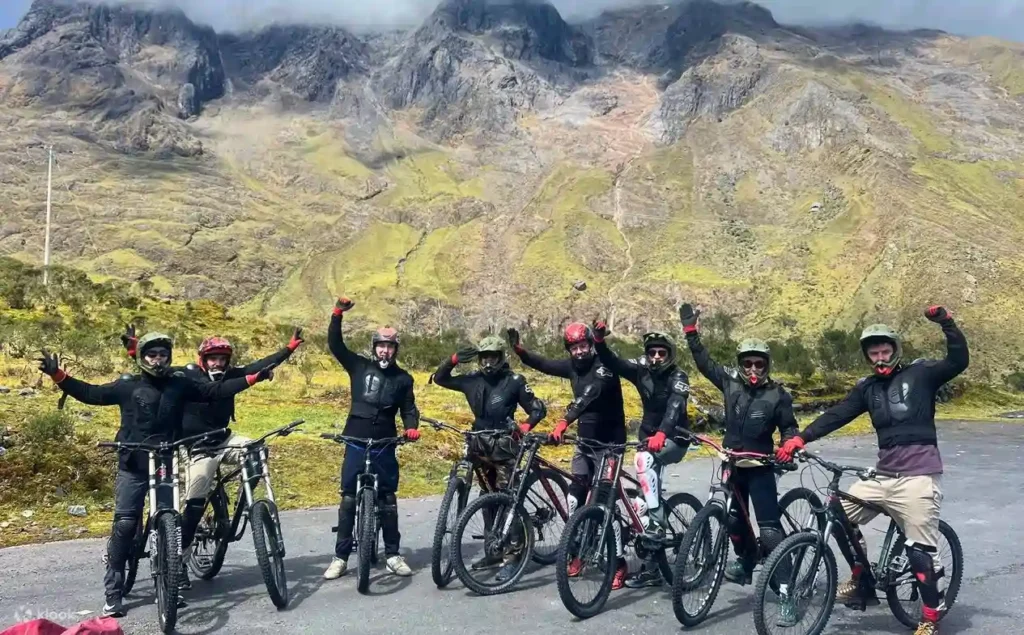
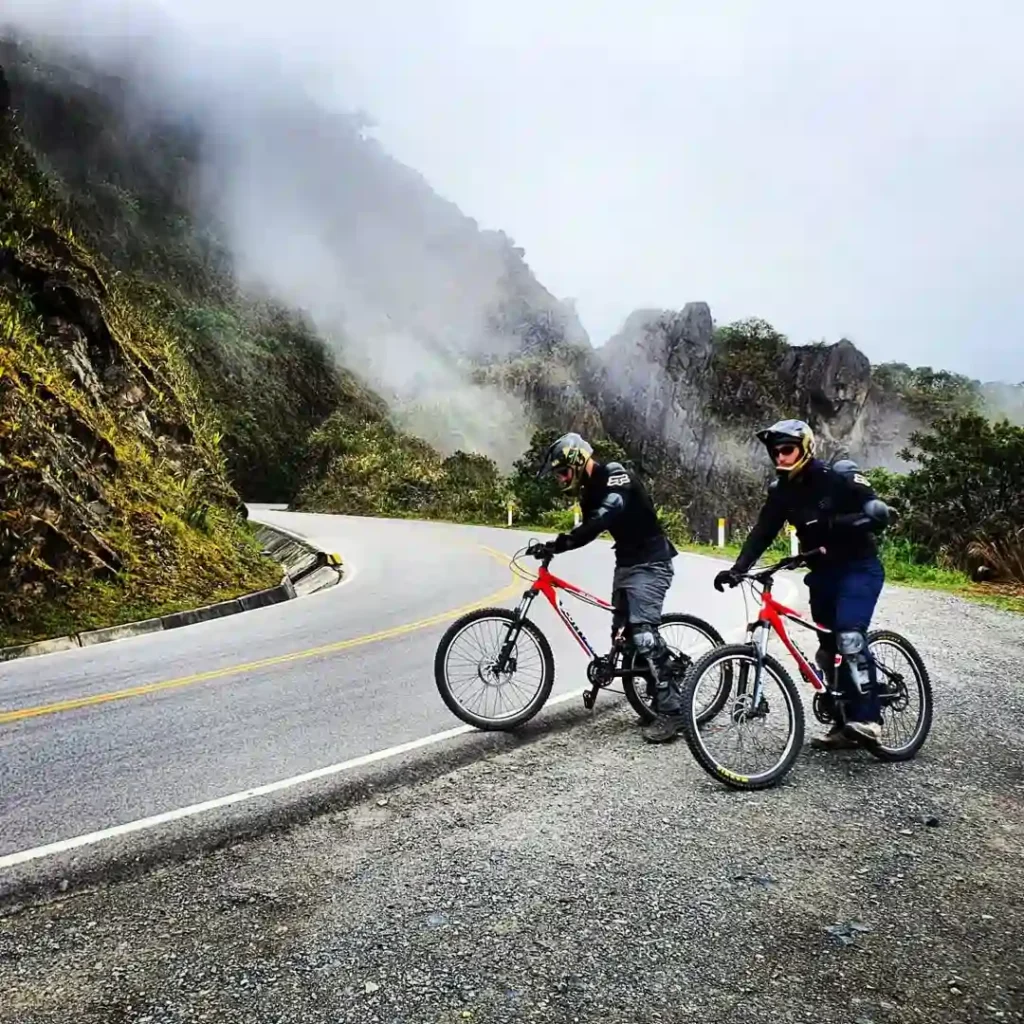
Cycling is the first adventure sport of the Inca Jungle trek. The ride begins at Abra Málaga, located at 4,230 meters (13,877 feet) above sea level. From this high point, participants descend for two to three hours under the guidance of an expert, eventually reaching Santa María. Cycling is included in all Inca Jungle tours and is one of the most thrilling parts of the experience.
Rafting During the Inca Jungle
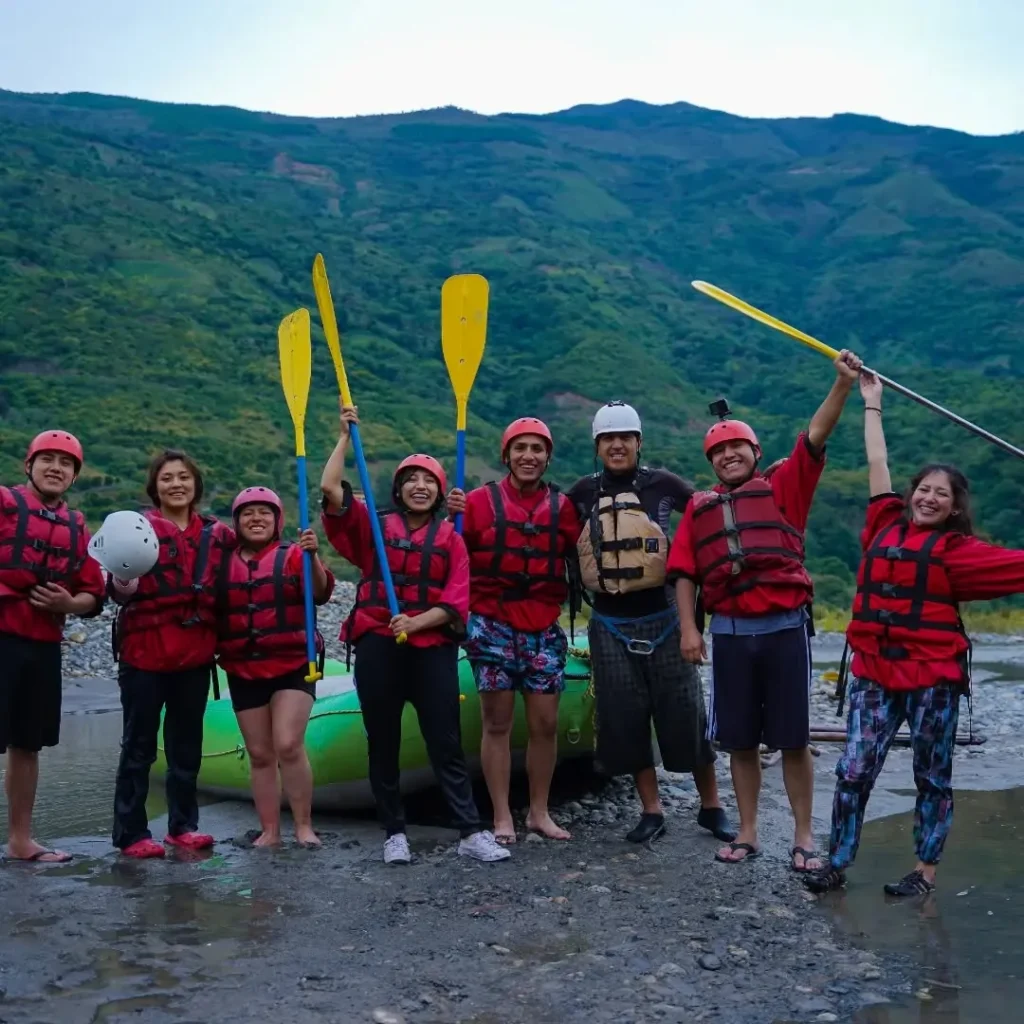
Rafting is an optional adventure sport offered during the Inca Jungle trek. It takes place on the waters of the Vilcanota River under the guidance of an expert. The level of difficulty depends on the season. From April to October, the river conditions are ideal for exciting yet safe rides. Between November and March, however, the waters are stronger and suitable only for experienced rafters.
Trekking to Machu Picchu in the Inca Jungle
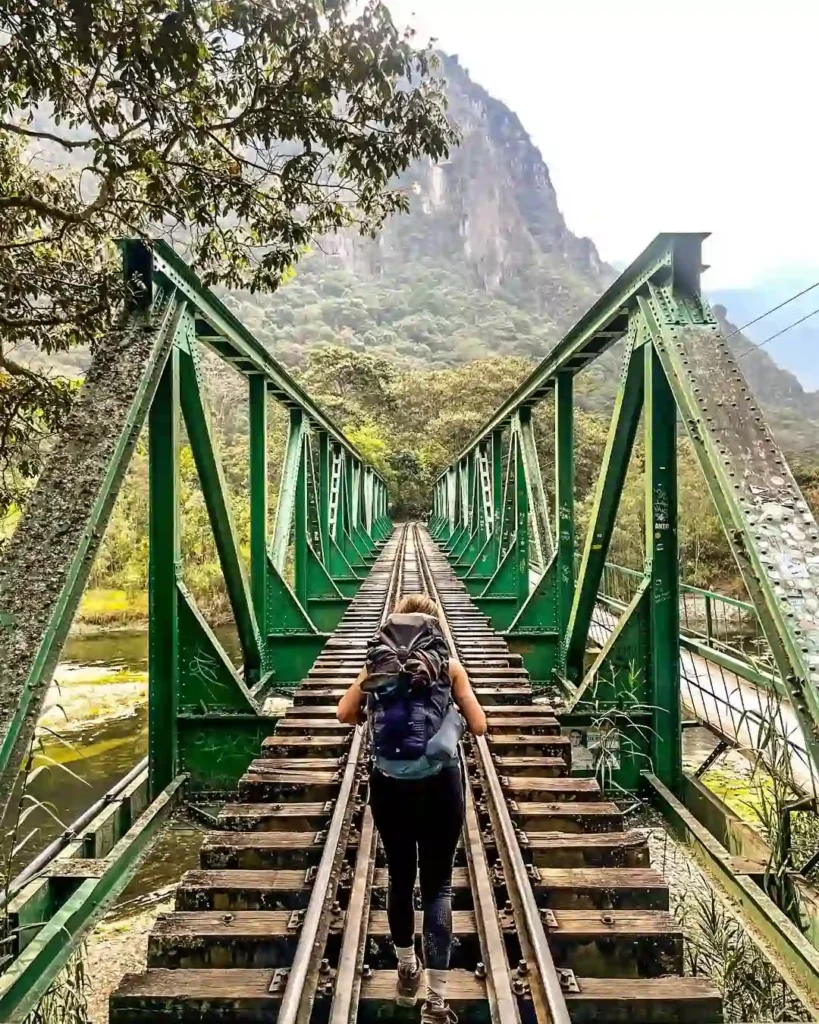
Hiking is an essential part of the Inca Jungle experience. Several sections of the route involve treks through diverse landscapes. The hike from Santa María to Santa Teresa follows ancient Inca trails, while the stretch from Santa Teresa to Aguas Calientes offers some of the most breathtaking scenery before reaching Machu Picchu. Overall, the hikes are not overly demanding, making them accessible to most travelers in good physical condition.
Hot Springs During the Inca Jungle
The Cocalmayo hot springs are a popular optional stop along the trek. These outdoor pools reach temperatures of up to 44°C and provide the perfect opportunity to relax after hours of hiking. Surrounded by lush vegetation and mountain views, the hot springs are a highlight for many participants.
Zip Line During the Inca Jungle
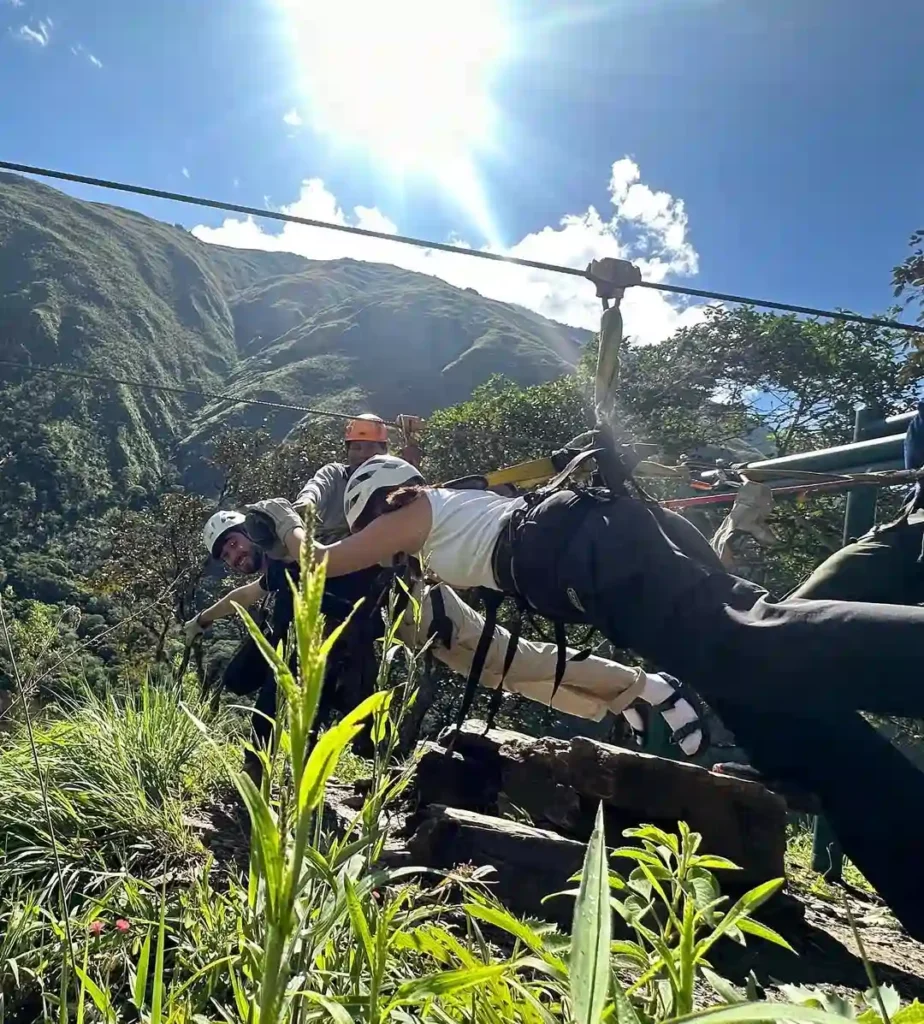
Ziplining is another optional extreme sport available during the trek. It takes place in Santa Teresa at the beginning of the third day. The experience is made even more thrilling by the stunning scenery, as participants glide above valleys and rivers before rejoining the group to continue the journey toward Machu Picchu.
Inca Jungle Tours: Everything You Need to Know
Is the Inca Jungle Dangerous?
The Inca Jungle is considered a safe adventure. Tours are always conducted with a professional guide trained to handle emergency situations, ensuring that participants enjoy the experience with confidence.
What Does the Inca Jungle Tour Include?
In general, an Inca Jungle tour includes:
- Transportation to Abra Málaga
- Professional guide throughout the tour
- Bicycle and safety equipment
- Three nights of lodging (Santa María, Santa Teresa, and Aguas Calientes)
- Meals during the tour (breakfast, lunch, and dinner)
- Entrance ticket to Machu Picchu
- Train from Aguas Calientes to Ollantaytambo
- Bus from Ollantaytambo to Cusco
Optional services:
- Entrance to the Cocalmayo hot springs
- Rafting with equipment
- Zipline with equipment
- Bus transportation between Aguas Calientes and Machu Picchu
How to Book the Inca Jungle
Reservations can be made online through a travel agency or purchased directly at agencies located in Cusco’s Historic Center.
Is the Inca Jungle Difficult?
The Inca Jungle has a moderate level of difficulty. The adventure sports do not require significant physical effort. In total, the trek covers approximately 35 kilometers along easy routes with spectacular scenery.
How Much Does the Inca Jungle Cost?
The average cost of the Inca Jungle is around 300 USD. Prices vary depending on the travel agency and the quality of services offered.
Best Time to Do the Inca Jungle
The best time to take the Inca Jungle trek to Machu Picchu is during the dry season, from April to October. Days are sunnier, nights are colder, and rainfall is rare ideal conditions for outdoor excursions.
What to Bring to the Inca Jungle
It is recommended to bring:
- Hat or cap
- Sunscreen
- Mosquito repellent
- Trekking shoes
- Water bottle
- Cotton clothing for four days
- Rain poncho (in case of showers)
- Swimsuit and towel (for Cocalmayo hot springs)
- Trekking backpack
- Extra cash in local currency
- Camera
Tips for the Inca Jungle
The Inca Jungle to Machu Picchu is one of the most incredible experiences in Peru. To enjoy it fully, keep in mind:
- It is recommended for young travelers of any nationality, though older adults can also participate.
- The trek does not reach altitudes that cause altitude sickness, but it is advisable to acclimatize for at least one day in Cusco before starting.
- Even if you are not in peak physical condition, the trek is not overly demanding. Preparing with light exercise one week before is sufficient.
- Extreme sports such as rafting or zipline are optional, so you can tailor the experience to your comfort level.
- Private tours are available for groups of friends or families just request them from your chosen travel agency.
Other Adventures to Choose in Machu Picchu
Inca Trail to Machu Picchu
The Inca Trail is the most popular adventure to reach Machu Picchu. This four‑day, three‑night hike follows the ancient paths built by the Incas, leading directly to the citadel. Covering nearly 40 kilometers, the trek culminates at the Intipunku (Sun Gate), the same entrance used by the Incas hundreds of years ago.
Salkantay Trek to Machu Picchu
The Salkantay Trek is a five‑day, four‑night route that crosses the Abra Salkantay, one of the highest mountains in Cusco. Famous for its breathtaking scenery, this trek ends in the town of Aguas Calientes before reaching Machu Picchu. Due to its challenging difficulty, the Salkantay Trek must be organized through a professional travel agency.
Huayna Picchu Mountain
Huayna Picchu rises just north of Machu Picchu and is one of the most iconic peaks in the area. The climb includes steep Inca stairways and leads to the Temple of the Moon, a fascinating archaeological site. Reaching the summit is considered one of the best short hikes in the world. Entry requires the special ticket Machu Picchu + Huayna Picchu, and access is limited to visitors over 12 years old.
Putucusi Mountain Hike
Putucusi Mountain is one of the peaks surrounding Machu Picchu. Access to this hike is free, starting from the town of Aguas Calientes. The trail is less marked and includes wooden ladders that lead to the summit. While the views are spectacular, the hike is considered challenging and can be dangerous for those without prior trekking experience.