Forget the traditional paths if you’re looking for adrenaline, variety, and breathtaking scenery, the Inca Jungle Trek is the most exciting way to reach Machu Picchu. In just four days, you’ll cycle down snow‑capped mountains, raft through tropical rivers, hike along ancient Inca trails, and soak in natural hot springs, all while immersing yourself in the vibrant culture of the Andes. This isn’t just a trek, it’s a multi‑adventure journey that transforms the road to Machu Picchu into an unforgettable experience.
When we talk about reaching Machu Picchu, most people immediately think of the classic Inca Trail. Yes, it’s iconic, but it’s also the most in‑demand route, with a strict limit of 500 visitors per day. What many don’t realize is that there’s a less crowded alternative, packed with adrenaline and adventure over four unforgettable days: the Inca Jungle Trek.
Unlike traditional trekking routes such as the Salkantay Trail (though equally impressive in its own right), the Inca Jungle offers a unique mix of activities rafting, cycling, zip‑lining, and hiking without the overwhelming crowds. It’s a fresh, thrilling way to reach Machu Picchu, combining outdoor adventure with cultural immersion and breathtaking landscapes.
Starting the Inca Jungle
Before diving into the adventure, it’s ideal (though not mandatory) to have some prior experience with the activities, as this will allow you to enjoy them more comfortably. A good level of physical fitness is also beneficial.
The tour begins in Cusco, with a one‑hour drive to the town of Ollantaytambo, home to some of the magical ruins of the Sacred Valley. Once there, you’ll have the chance to pick up any last‑minute items you may have forgotten. Since this area is highly tourist‑oriented, it’s easy to find trekking poles and other gear that can help during the journey. Grab a few snacks, try the highly recommended fresh orange juice, and get ready for the next leg of the trip.
From Ollantaytambo, the journey continues with a two‑hour ascent by vehicle to the Abra Málaga Pass (4,330 m / 14,206 ft), where the real adventure begins.
The First Adrenaline Rush
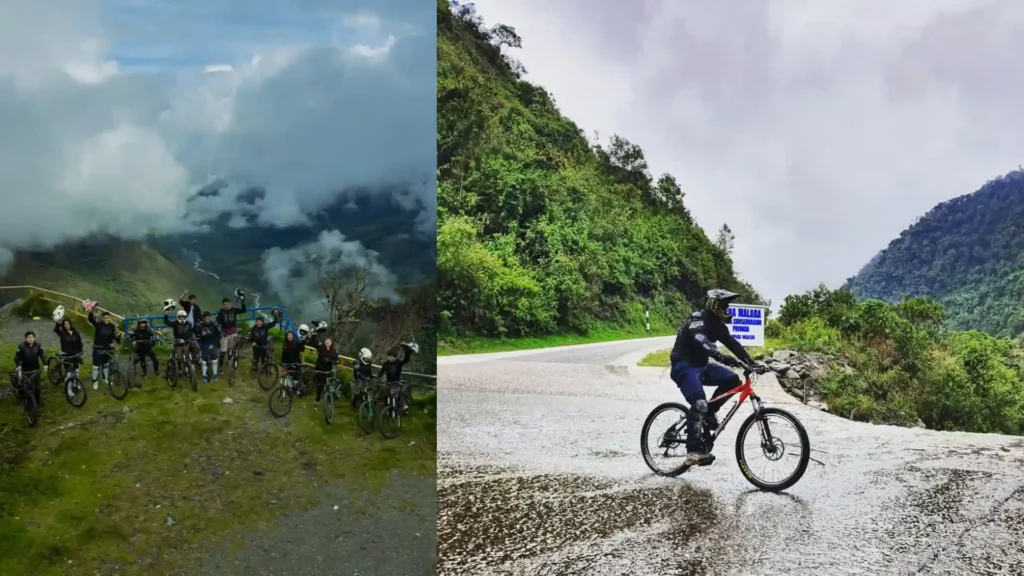
You’ll feel a bit cold when you arrive at the starting point, but that changes quickly once you put on your safety gear and begin the downhill cycling adventure. This is your first adrenaline rush of the day, two hours of descent that let you experience dramatic shifts in landscape across different ecoregions, while spotting local flora, fauna, and the majestic Verónica Glacier (Huacay Willca).
The ride covers more than 20 kilometers, including a visit to the Huamanmarca archaeological remains, before finishing in the town of Santa María. Here, you’ll check into your lodge room, enjoy lunch, rest for about half an hour, and prepare for the next mission that the Inca Jungle has in store for you.
Time to Get Wet
If the downhill ride was your first adrenaline rush of the day, consider it just the appetizer. Next, we head to the Vilcanota River, where you’ll receive a short technical briefing before beginning the rafting adventure. It’s essential to pay close attention to your guide’s instructions and follow them carefully. While most of the river features Class II rapids, there are also Class III sections, where the turbulence and splashing against rocks create plenty of excitement.
During the rainy season (January to March), the river swells and difficulty levels rise to Class IV–V rapids. For safety reasons, rafting is not recommended during these months. The rest of the year, however, conditions are ideal, and you’re guaranteed an incredible and unforgettable experience.
Along the way, there’s even a calm section of the river where you can take a refreshing dip, including a thrilling 5‑meter jump into the water. Back at the lodge, you can unwind and enjoy the included sauna, the perfect way to end a day full of adventure.
Discovering Colors with the Inca Jungle
On the second day of the trek, the adventure begins right after breakfast with a hike through the tropical jungle along sections of the original Inca Trail in the Amazon. Along the way, you’ll encounter local vegetation such as coffee plants, seeds used for natural pigments, coca leaves, and a variety of wild fruits.
A highlight of the morning is a stop at Monkey House Lodge, where cacao is cultivated. Here you can taste specialties like Inca Chocolate or Inca Brownie, made with cacao and honey. For the more daring, there’s also Inca Tequila a potent mix of liquors with a snake inside the bottle. The lodge is also home to macaws and monkeys, offering a chance to see local wildlife up close.
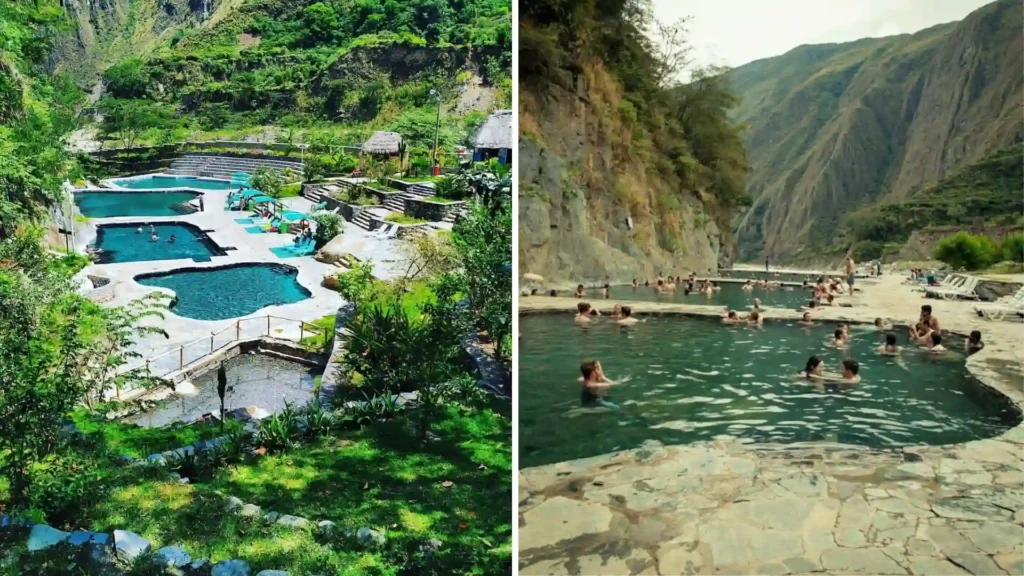
The hike continues toward the Cocalmayo hot springs, near the town of Santa Teresa. This village is a popular stop for travelers heading to Machu Picchu, making it a great place to explore and bond with fellow adventurers.
Sliding Through the Inca Jungle
After spending the night, hopefully without too much indulgence at Monkey House, you’ll want to start fresh for the next activity: zip‑lining. This thrilling canopy experience (available with prior reservation) lets you soar over valleys and rivers, adding another adrenaline‑filled highlight to the trek.
Meanwhile, many travelers continue directly toward Hidroelectrica, since it’s the cheapest route to Machu Picchu. But the Inca Jungle offers the chance to take this exciting detour, making the journey not just about reaching Machu Picchu, but about enjoying every adventure along the way.
After the zip‑line adventure, the trek continues toward Hidroelectrica, where you’ll stop for a well‑deserved lunch. From here, the journey carries on with a 3‑hour hike along the railway tracks, a scenic route that winds through lush vegetation and offers glimpses of the surrounding mountains.
This final stretch leads you to Aguas Calientes (Machu Picchu Pueblo), the gateway town to Machu Picchu. Once there, you can check into your hotel, rest, and prepare for the highlight of the entire trek,the visit to the legendary citadel the following day.
Arrival at Machu Picchu
By now, the trek takes on a more classic feel as you climb the stairs leading to Machu Picchu. But that doesn’t make it any less exciting. On the contrary, reaching the long‑awaited goal fills you with a sense of triumph and wonder.
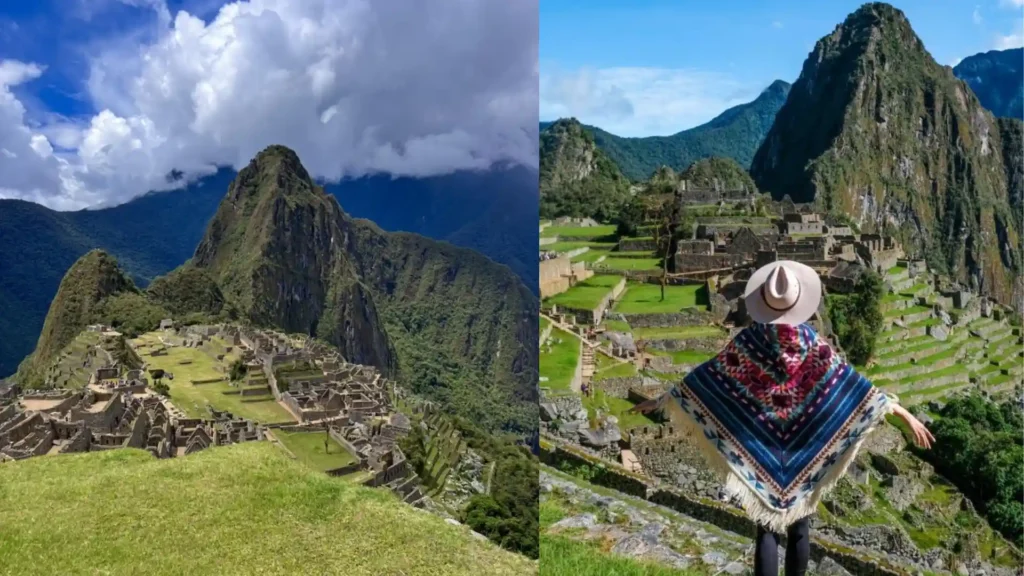
Remember to reserve your ticket to Machu Picchu in advance so you can enter with your guide and explore the archaeological site. You’ll learn how the citadel is divided into three sectors: agricultural, residential, and religious. For those who booked additional hikes, you can also climb Machu Picchu Mountain or Huayna Picchu, both offering panoramic views and hidden temples.
At this stage, fatigue may start to catch up with you, but the return journey is comfortable. You’ll take the train back to Ollantaytambo, where your operator will meet you and drive you to Cusco, marking the end of one of the most thrilling adventures you’ll ever experience.
More than a trek, the Inca Jungle is a thrilling adventure that blends adrenaline, culture, and stunning landscapes the most entertaining way to reach Machu Picchu.