Cusco, the ancient capital of the Inca Empire, is not only a city filled with centuries of living history but also a vibrant destination where tradition transforms into unforgettable cultural celebrations every year. In 2026, the Imperial City comes alive with events that blend ancestral Andean customs with modern local expressions, creating an atmosphere that every traveler should experience at least once. Whether you’re exploring the streets of Cusco or planning a cultural trip through the Sacred Valley, these festivities reveal the true soul of the Andes.
Imagine joining a timeless religious procession or wandering through a traditional Andean fair filled with flavor, color, music, and spiritual symbolism. Each month offers a unique event that allows visitors to connect deeply with Peru’s most iconic cultural heritage. In this guide, you’ll find the key dates, descriptions, and highlights of Cusco’s 2026 festivities, making it perfect for planning your cultural itinerary and boosting your travel experience.
Cusco in January 2026 – Traditional Celebrations
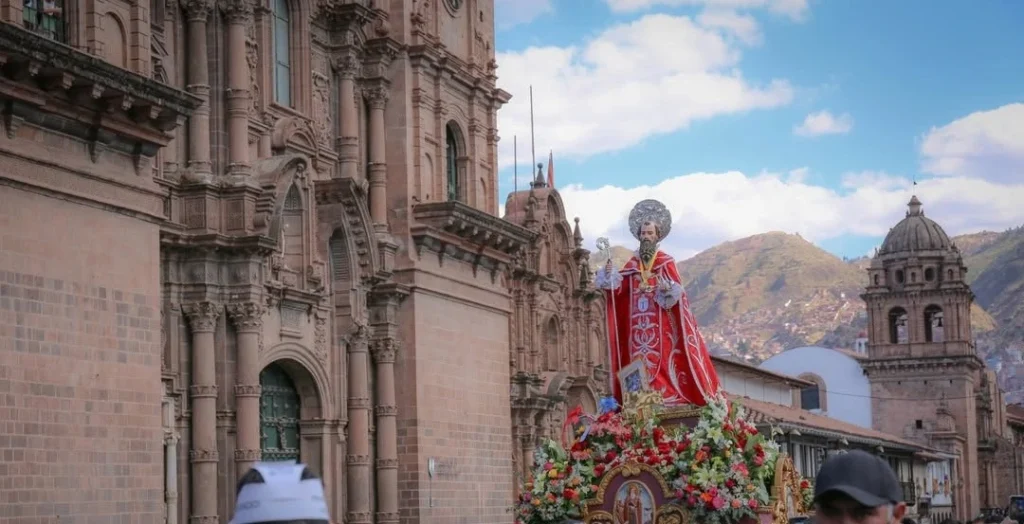
January 06: Bajada de Reyes – Ollantaytambo
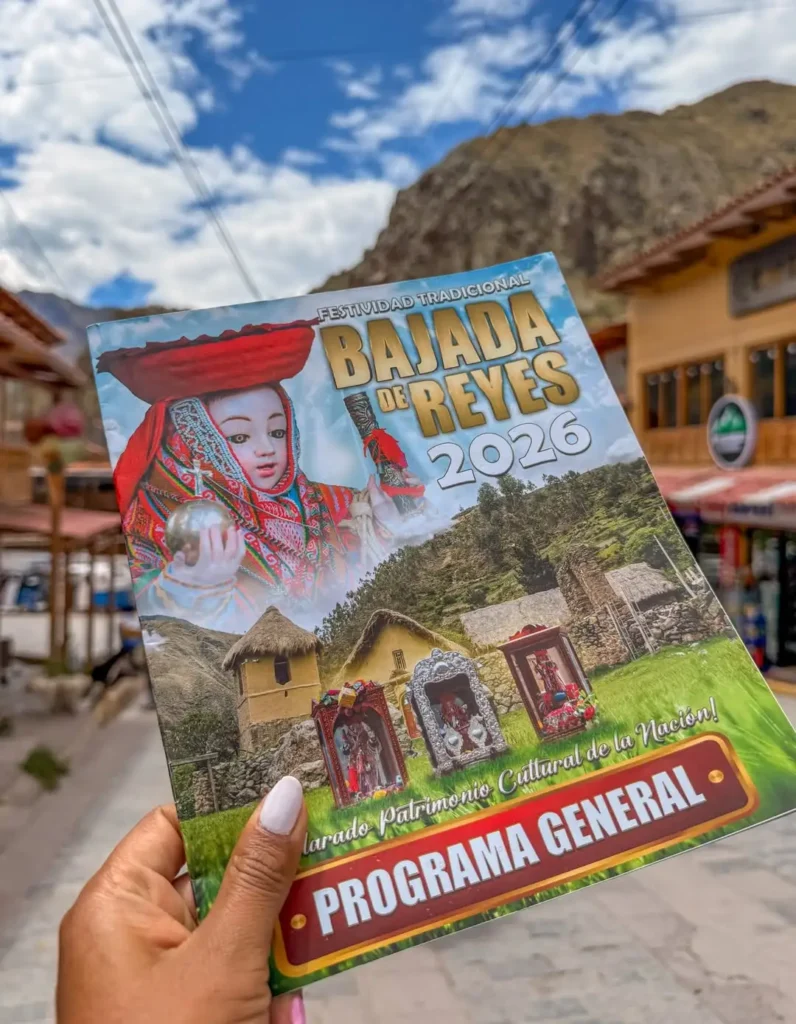
The celebration of Bajada de Reyes marks the official closing of the Christmas season in the Andean region. On this day, families gather to dismantle their nativity scenes, attend special church services, and honor the journey of the Three Wise Men. In the town of Ollantaytambo, this festivity becomes a vibrant fusion of Catholic devotion and ancestral Andean culture, deeply rooted in local traditions that date back generations.
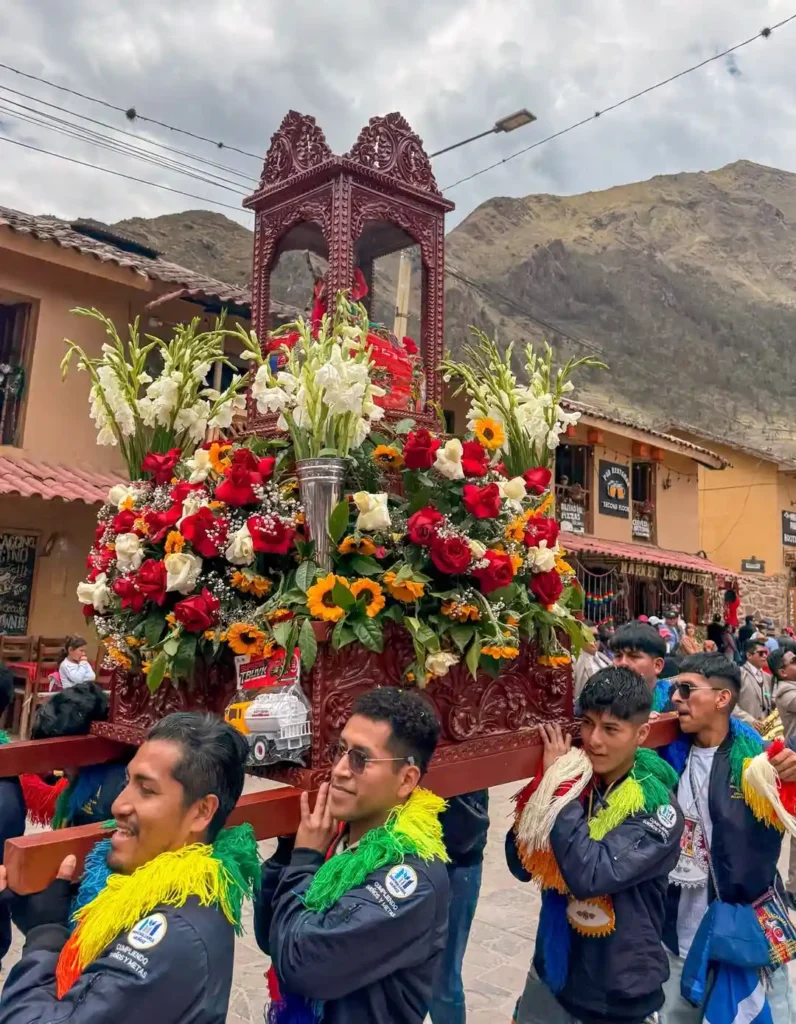
In this picturesque Andean village, the celebration lasts three full days. Locals organize a symbolic procession that represents the arrival of the Three Wise Men Melchior, Gaspar, and Balthazar at the nativity scene. Their images are carried through the cobblestone streets, accompanied by devotional songs, live Andean music performed by regional brass bands, and traditional dances that showcase the cultural richness of the Sacred Valley. This makes the Bajada de Reyes a must-see event for travelers seeking authentic cultural tourism in Peru.
Traditional Dances and Colorful Costumes
One of the most captivating aspects of the celebration in Ollantaytambo is the participation of various traditional dance groups. Dancers wear vibrant, handcrafted costumes and expressive masks that represent mythical characters, historical figures, and local stories passed down through the centuries. Each performance reflects pieces of Andean identity, showcasing choreographies that preserve ancestral narratives, spiritual symbolism, and community pride. These dances not only enhance the festive atmosphere but also offer visitors a deeper understanding of Cusco’s intangible cultural heritage.
January 06: Niño San Cristóbal – San Cristóbal
Every year on January 06, hundreds of devotees gather at the historic district of San Cristóbal to express gratitude for past blessings and to ask for spiritual protection in the year ahead. The church, beautifully adorned with flowers, candles, and soft lights, becomes the epicenter of heartfelt prayers and traditional hymns that highlight the deep religious devotion of the local community. After the main mass, the Procession of the Niño de San Cristóbal takes place one of the most significant and symbolic festivities celebrated in Cusco. This event attracts both locals and travelers seeking an authentic cultural and spiritual experience in the Andes.
January 17: Festivity of San Antonio Abad – San Cristóbal
Celebration of the Patron Saint of Animals
On January 17, the neighborhood of San Cristóbal hosts the Festivity of San Antonio Abad, widely recognized as the celebration honoring the patron saint of animals and health. This traditional event is filled with spirituality, symbolism, and strong Andean cultural roots. Devotees gather to pay homage to the saint, seeking blessings of protection and wellbeing not only for themselves but also for their animals an essential part of life in the Andes. The celebration merges Catholic rituals with local customs, showcasing offerings, prayers, and community traditions that reveal the deep connection Cusco maintains with nature, faith, and ancestral heritage.
January 20: Festivity of San Sebastián – District of San Sebastián
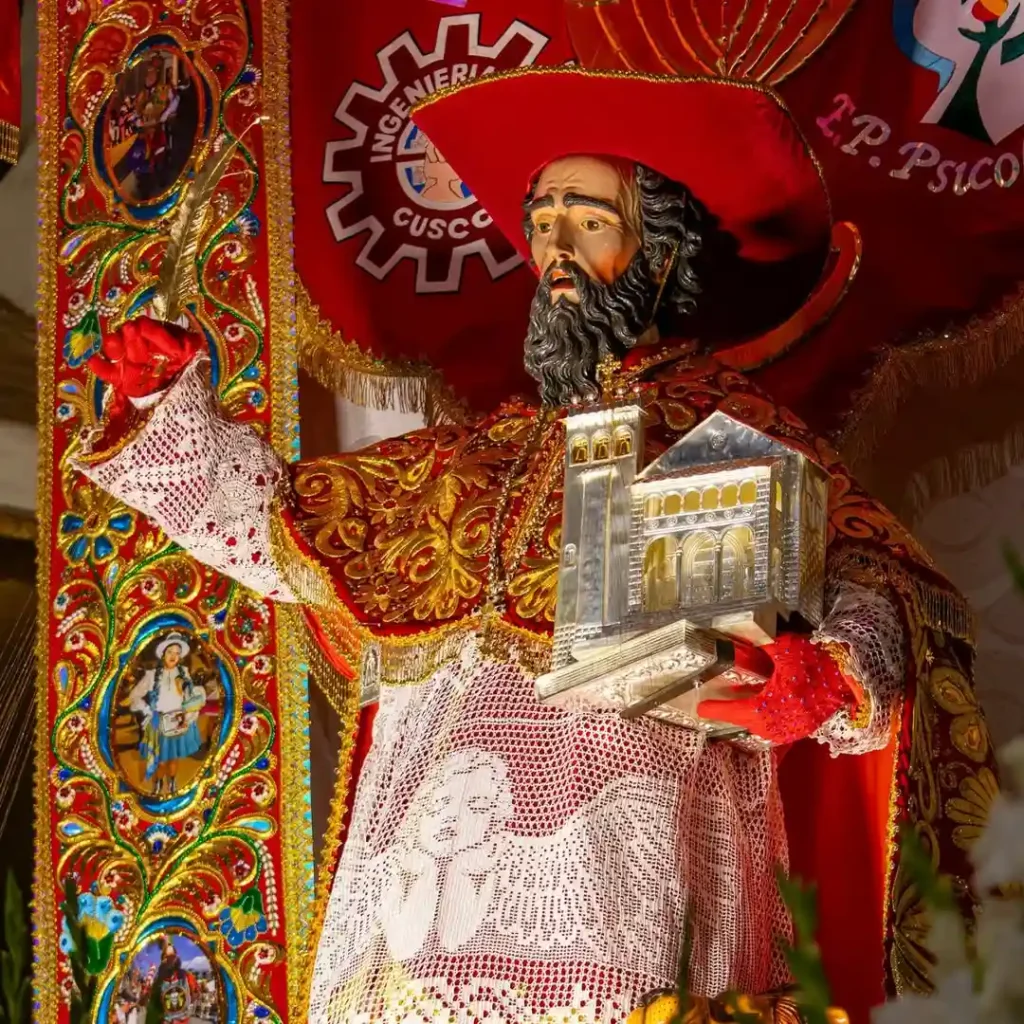
The Festivity of San Sebastián is one of the most important cultural and religious celebrations held in this historic district of Cusco. The event features solemn processions in which the revered image of Saint Sebastian is carried through the streets, accompanied by devoted locals wearing traditional Andean attire and musicians performing ancestral melodies. Throughout the day, lively street fairs offer iconic regional dishes especially the famous chicharrón, a gastronomic favorite among visitors. As night falls, the district transforms into a vibrant stage with folkloric dance performances, live music, and dazzling fireworks that illuminate the sky, attracting both residents and tourists looking for an authentic cultural experience in Cusco.
January 20: Festivity of the Virgen Reina de Belén – Barrio de Belén
The devotion to the Virgen Reina de Belén dates back to the colonial era, when early evangelizers introduced her image to the neighborhood to strengthen Christian faith among local inhabitants. Depicted as a loving and protective mother, the Virgin of Belén soon became a symbol of hope, guidance, and spiritual comfort for the community. Today, her annual celebration stands out as one of Cusco’s most heartfelt Marian festivities, known for its emotional expressions of faith, traditional music, and community unity that highlight the city’s rich religious heritage.
Cusco in February 2026
February 02: Festivity of the Virgen Purificada – Templo de San Pedro
Celebrated every February 02, the Festivity of the Virgen Purificada is one of the most beloved religious events in Cusco, held at the historic Templo de San Pedro. This celebration marks Candlemas Day, a significant date in the Catholic calendar, and beautifully intertwines Christian rituals with deep-rooted Andean traditions. The event is filled with symbolic ceremonies, heartfelt prayers, traditional dances, and candlelit processions that reflect the community’s profound devotion. It is a cultural and spiritual experience that perfectly showcases Cusco’s unique blend of faith, heritage, and ancestral identity.
February 03: Festivity of Patron Saint San Blas – San Blas
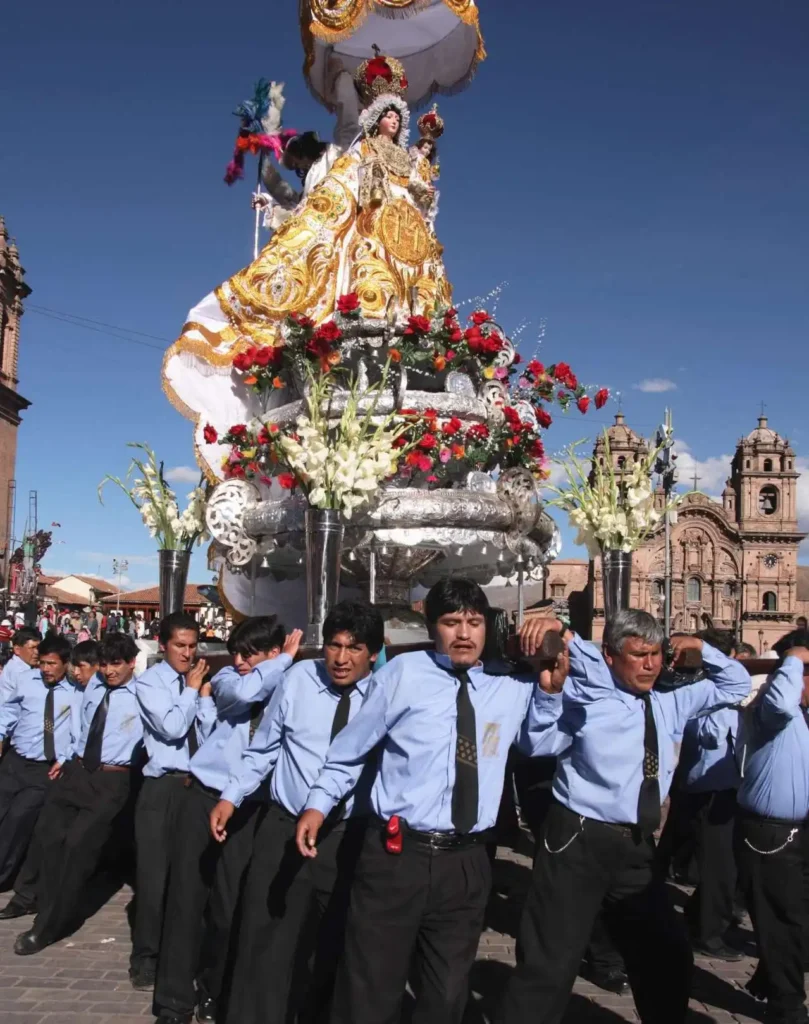
The Festivity of Patron Saint San Blas, celebrated every February 03 in the iconic San Blas neighborhood, stands as one of Cusco’s most distinctive religious and cultural expressions. This historic district famous for its artistic heritage, bohemian atmosphere, and narrow cobblestone streets honors its patron saint with an event that blends devotion, craftsmanship, music, and folklore. Pilgrims, artisans, musicians, and travelers gather for masses, processions, and lively street activities that highlight San Blas’s reputation as Cusco’s artistic heart. The celebration offers an immersive cultural experience for anyone seeking authentic Andean traditions within the city.
February 05: Día de los Compadres – Throughout the Neighborhoods of Cusco
The Día de los Compadres, celebrated on the Thursday before Carnival Sunday, marks the official beginning of the Carnival season in the Imperial City. This unique festivity is dedicated to honoring the compadres important figures in the Andean family and social structure who symbolize unity, loyalty, and mutual respect. The day is filled with humor, music, symbolic offerings, and gatherings that strengthen bonds within the community.
Although the tradition has ancient Andean origins, its festive and communal spirit remains alive in every neighborhood of Cusco. Residents decorate plazas, hang playful dolls representing the compadres, and participate in cultural activities that blend folklore, social unity, and joyful celebration. As Carnival approaches, this event sets the tone for the vibrant festivities that follow, making it a key cultural highlight for visitors exploring Cusco in February.
February 09: Festivity of the Niño Compadrito – Santa Ana
This celebration, held every February 09 in the historic neighborhood of Santa Ana, is one of the most emblematic and heartfelt festivities in Cusco. The day begins with a solemn mass inside the local church of Santa Ana, where the revered image of the Niño Compadrito is placed on a beautifully decorated altar filled with flowers, candles, and symbolic offerings. Locals and visitors gather to participate in prayers, traditional hymns, and cultural rituals that reflect the deep devotion and Andean spiritual identity of this neighborhood. The event has become an important cultural attraction for those seeking authentic religious traditions during their visit to Cusco.
February 12: Día de las Comadres – Across All Neighborhoods of Cusco
Just like the Día de los Compadres, one of the defining elements of this popular Cusco tradition is the presence of monigotes satirical dolls representing the comadres. Crafted using old clothing, straw, paper, and exaggerated accessories, these humorous figures are hung on balconies, poles, neighborhood entrances, and public squares. Each one is accompanied by witty signs or messages that highlight funny anecdotes, local jokes, or exaggerated traits of the women being honored.
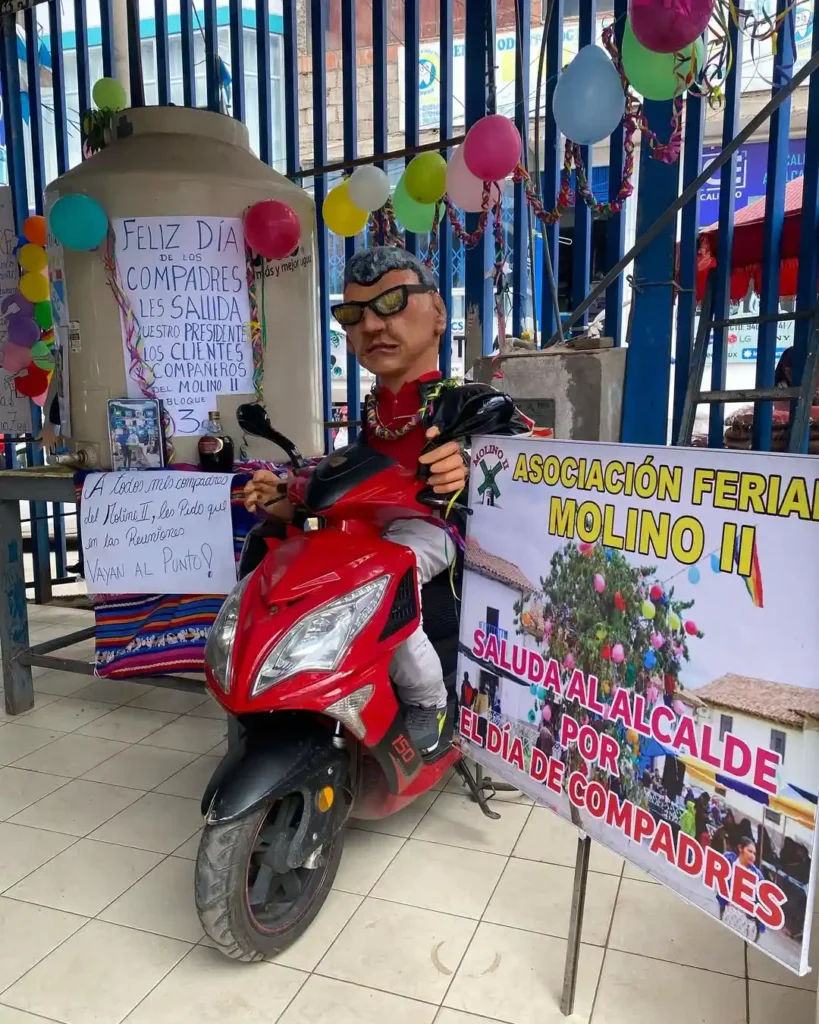
The Día de las Comadres is a lively and colorful celebration that brings communities together through humor, music, creativity, and Andean social customs. It marks an important moment leading up to Carnival, filling Cusco with a festive atmosphere that captivates both residents and travelers.
February 15: Cusco Carnival – Citywide Celebrations
The Cusco Carnival, celebrated throughout the city, has its origins in the colonial era, when European Carnival customs merged with ancient Andean rituals of gratitude to Pachamama for agricultural abundance. This cultural fusion gave rise to a unique festivity that represents the region’s identity mixing spirituality, humor, community traditions, artistic expression, and joyful celebration.
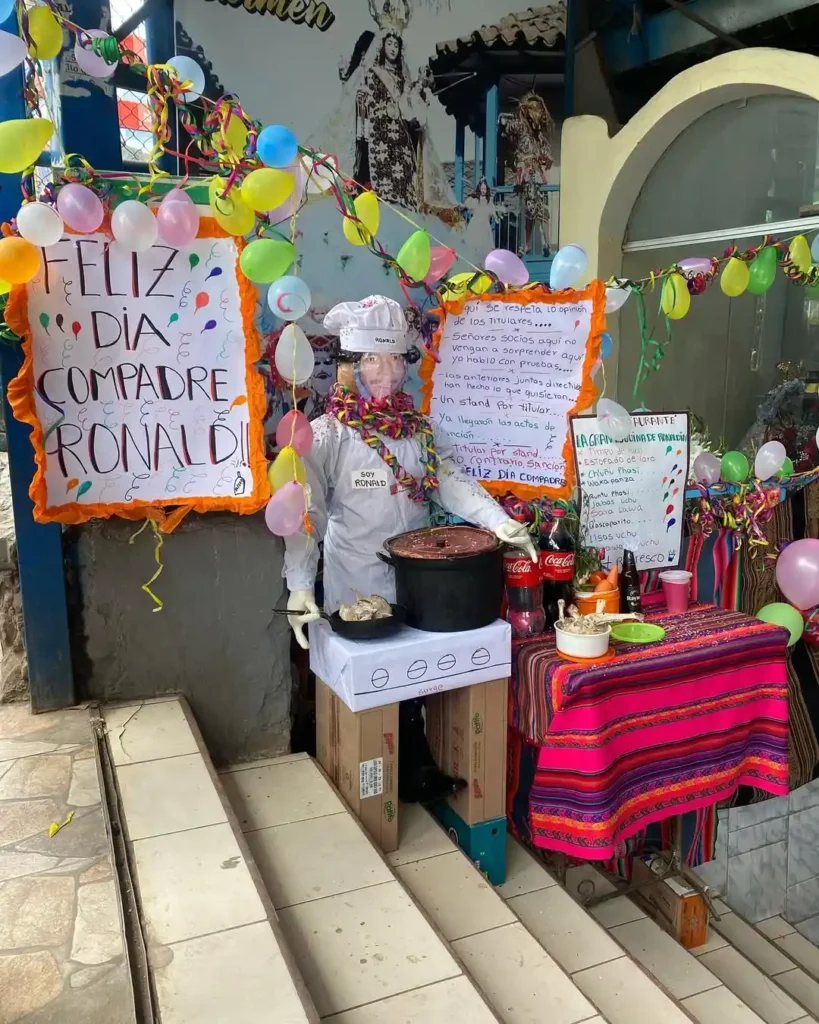
Carnival marks a time of fun, playfulness, and relaxation before the beginning of Lent. In Cusco, the celebration carries special significance because it involves every community in the city and throughout the Sacred Valley. Streets fill with water games, colorful powders, traditional dances, gastronomic fairs, Andean music, and processions that showcase the rich heritage of the region. For travelers, the Cusco Carnival is one of the most vibrant and unforgettable cultural experiences of the entire year.
February 22: Kacharpari – Farewell to Carnival
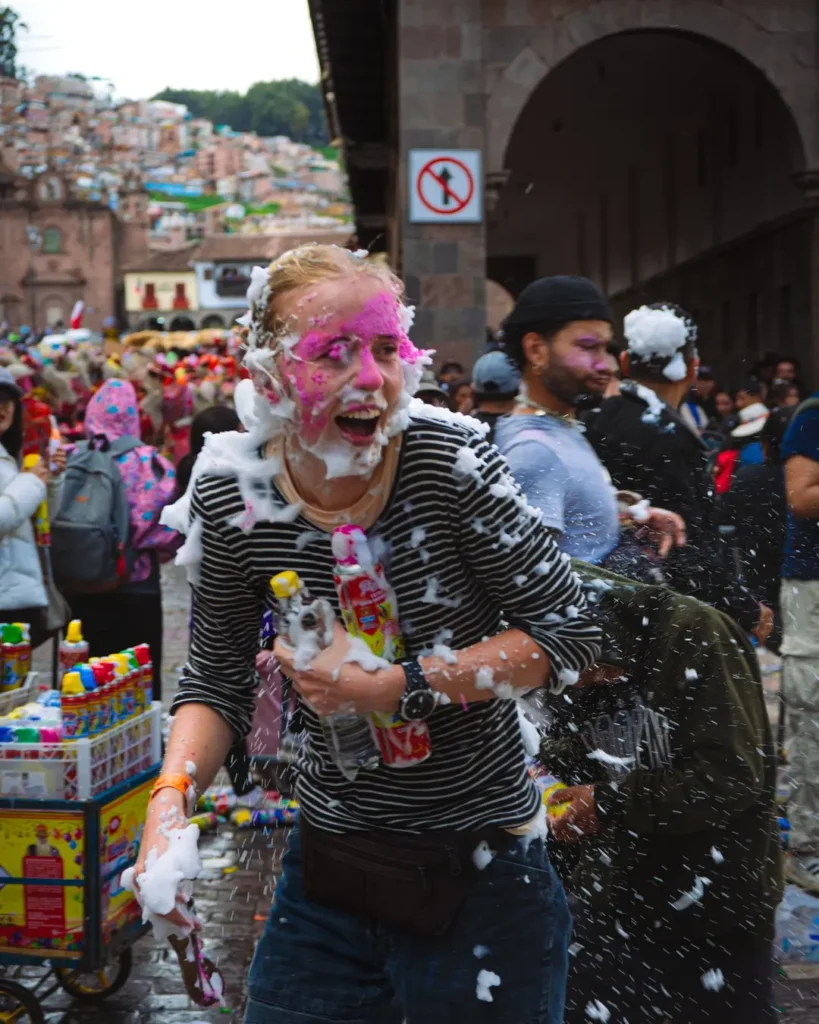
One week after the main celebrations, on February 22, Cusco celebrates the Octava or Kacharpari, also known as the official closing of the Carnival season. On this day, the Plaza de Armas becomes filled with locals enjoying playful festivities involving water, colorful powders, and foam. At the same time, different neighborhoods across Cusco host their final yunzas or cortamontes traditional tree-cutting festivities accompanied by music, dancing, and community gatherings. This farewell event brings vibrant energy to the city and marks the joyful end of the Carnival cycle.
Cusco in March 2026
Holy Week – Celebrations Across Peru
Holy Week in Cusco is considered one of the most significant and solemn religious observances in Peru. Throughout this sacred period, the country embraces spirituality, tradition, and centuries-old customs. From processions in historic cities to unique rituals in remote Andean communities, Holy Week showcases Peru’s deep cultural and religious identity. Cusco, with its blend of Catholic and Andean heritage, becomes an exceptional destination for travelers seeking meaningful spiritual experiences.
March 29: Palm Sunday – All Churches in Cusco
In Cusco, Palm Sunday is celebrated with deep reverence and joyful devotion, enriched by local elements that enhance the significance of the day. Worshippers gather in churches carrying handcrafted crosses and intricately woven palm branches decorated with flowers, wheat, fruits, or symbolic offerings. These palms symbolize peace, hope, and spiritual renewal. After being blessed during mass, they are taken home to provide protection and blessings for the household throughout the year. The tradition highlights the fusion of faith and cultural artistry that characterizes Cusco’s religious festivities.
March 30: Procession of the Lord of the Earthquakes – Plaza de Armas
This profoundly solemn celebration brings thousands of faithful to the heart of Cusco as they gather to honor the city’s patron and protector, the Lord of the Earthquakes (Taytacha Temblores). The revered image introduced during the colonial era—is a representation of the crucified Christ and is believed to have stopped the devastating earthquake of 1650. Because of this miracle, he was proclaimed the protector of the Imperial City.
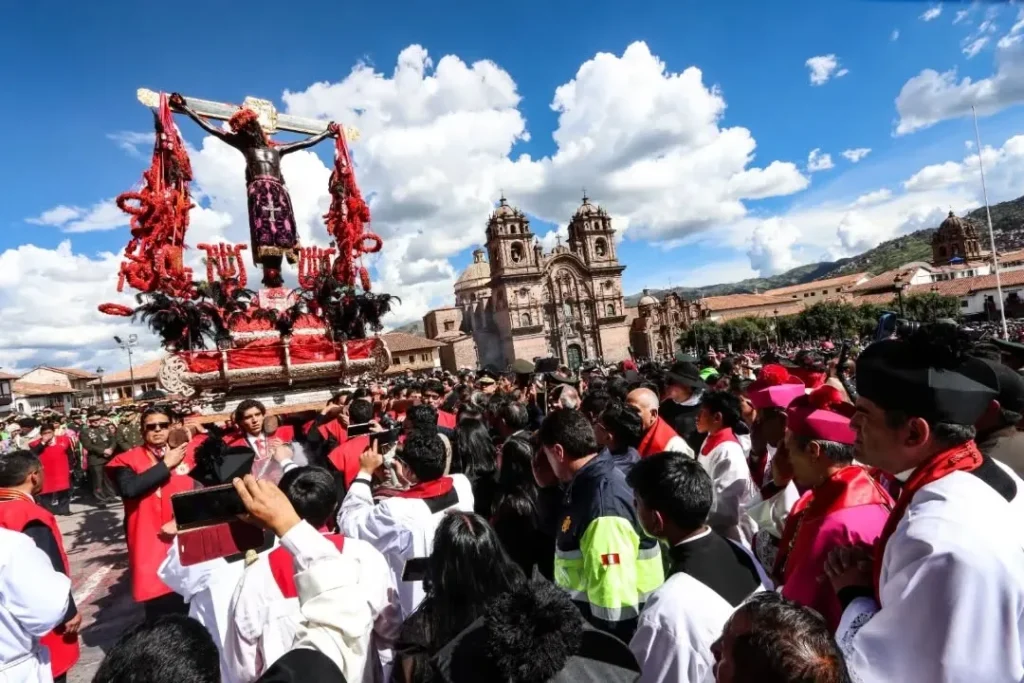
Since then, the image has been venerated as a spiritual shield against natural disasters and hardships. During the procession, the streets around the Plaza de Armas fill with prayers, traditional music, and offerings, creating one of the most emotional and powerful religious events in all of Cusco.
April 02: Holy Thursday – Visit of the Seven Churches in Cusco
On this date, the traditional Visit of the Seven Churches gathers thousands of worshippers and travelers who walk through the city’s most emblematic temples to reflect on the moments Jesus experienced before His crucifixion. This devotional route is one of the most meaningful Holy Week activities for both locals and visitors seeking a deep spiritual connection during their stay in the Andes.
Additional Insight:
The Visit of the Seven Churches has Christian roots and is practiced in cities around the world. In Cusco, the tradition takes on a unique dimension thanks to the extraordinary historical and spiritual significance of its temples architectural treasures that embody the fusion of Andean and Spanish colonial heritage. These sacred spaces are not only centers of worship but also living museums that reveal centuries of cultural evolution.
April 03: Good Friday – Ñucchu Tradition, Via Crucis, and the Twelve Dishes
On Good Friday, in several provinces of Cusco, children go out to collect the bright red ñucchu flower, a plant whose intense color symbolizes the blood of Christ. Meanwhile, in the city, many fasting families gather at Plaza San Francisco around 3:00 a.m. to begin a pilgrimage toward the Cruz del Papa, located near the ancient fortress of Sacsayhuamán. This walk recreates the Via Crucis, symbolizing the path Jesus followed from Pilate’s praetorium to Calvary.
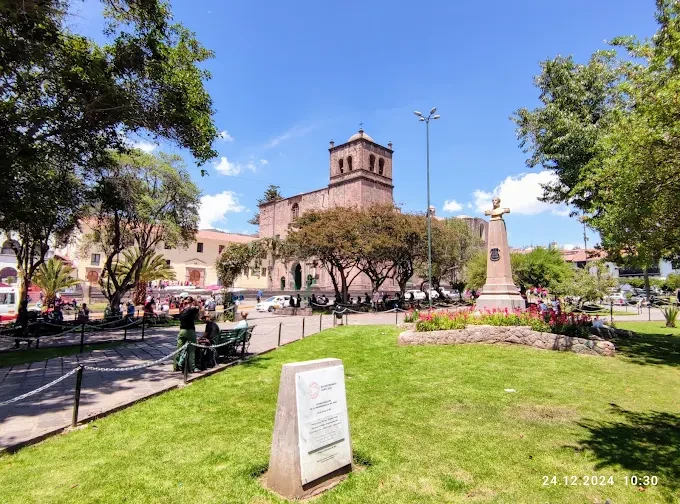
After completing the pilgrimage, Holy Week traditions continue at home with one of Cusco’s most iconic customs: the preparation of the Twelve Dishes, a symbolic meal that represents the twelve apostles. Families gather around the table to share soups, stews, fish-based recipes, Andean desserts, and traditional drinks, transforming Good Friday into a moment of reflection, unity, and cultural identity.
Additional Insight
In the traditional Twelve Dishes of Good Friday, the consumption of red meats such as beef, pork, and lamb is strictly avoided. As a result, local markets fill with grains, herbs, fish, and seafood, offering a vibrant selection of ingredients used to prepare these symbolic meals. This culinary custom highlights Cusco’s fusion of religious devotion and rich Andean gastronomy.
Cusco in May 2026
May 02–03: Cruz Velacuy
Cruz Velacuy, celebrated on May 02 and 03, is one of the most meaningful festivities in Cusco and throughout the Andean highlands. Also known as the Fiesta de las Cruces or Festival of the Crosses, this celebration blends religious devotion with ancestral cultural traditions. Communities honor crosses placed on hillsides, chapels, and homes, believing they serve as spiritual protectors and guardians of daily life. The event includes masses, processions, traditional music, and gatherings where families decorate their crosses with flowers, fabrics, and symbolic offerings.
Cruz Velacuy stands out as a powerful representation of Andean-Catholic syncretism, making it a key cultural experience for anyone visiting Cusco in May.
May 19: Lord of Torrechayoc – Celebrated in the Sacred Valley
The Lord of Torrechayoc, the revered patron of the town of Urubamba, is honored with one of the most important religious celebrations in the entire Sacred Valley. His central feast day, celebrated on a variable date in May, brings together devotees, pilgrims, and visitors in an atmosphere filled with faith, music, and cultural expression.
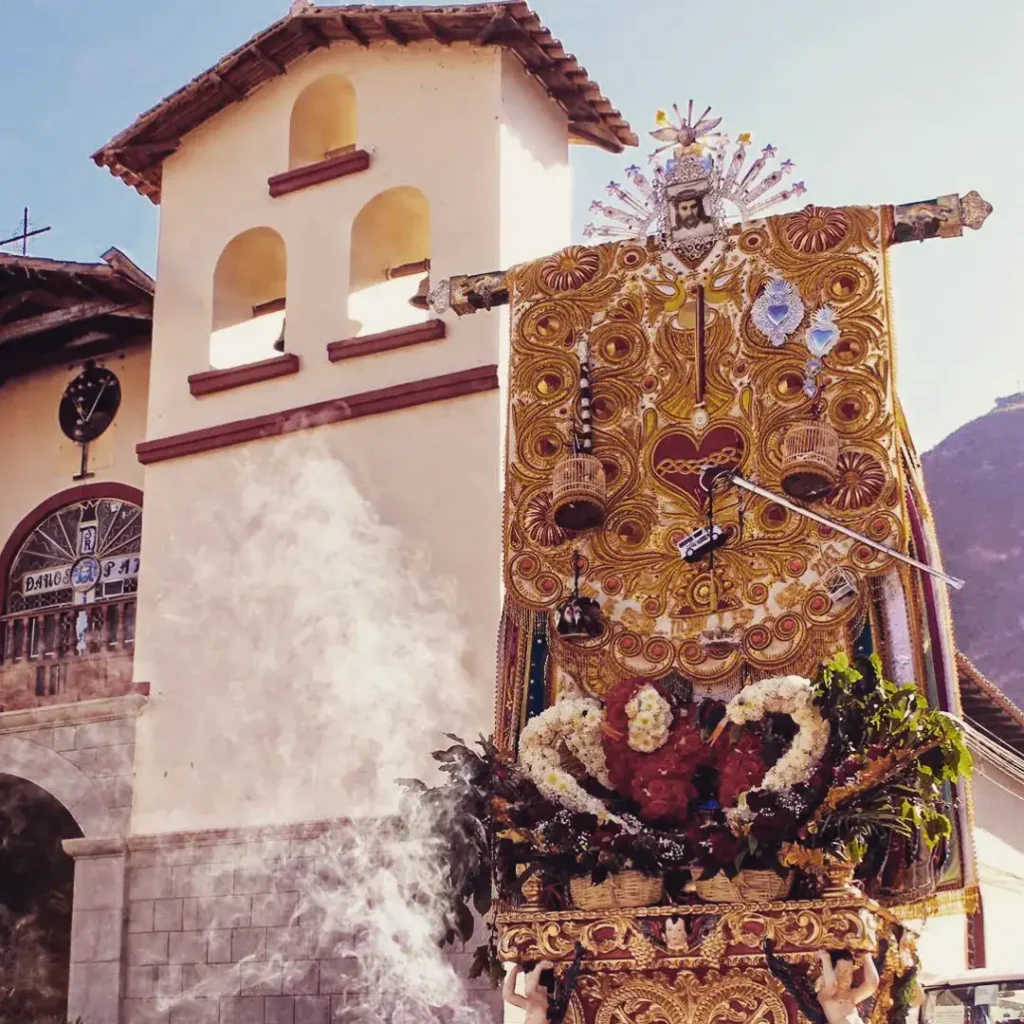
The main activities take place in the town’s central plaza, local churches, and even the city stadium, an unconventional but iconic venue that gives the celebration a unique character. Colorful dances, traditional costumes, processions, live bands, and communal gatherings make this festivity one of the most vibrant and unforgettable religious events near Cusco.
Cusco in June 2026
June 14: Q’eswachaka Bridge Renewal
The renewal of the Q’eswachaka is the heart of this ancestral Andean tradition. For four days, the communities of Huinchiri, Chaupibanda, Choccayhua, and Ccollana Quehue gather to rebuild the last remaining Inca rope bridge made entirely of ichu grass (Stipa ichu) over the Apurímac River. Families twist the grass into strong cables, while community authorities lead the collective work following techniques preserved since Inca times.
Once the old bridge is ceremonially cut and released into the river, the new structure is carefully woven and secured by master bridge builders known as chakaruwaq. Throughout the process, ritual offerings are made to Pachamama to ensure protection and harmony. When the bridge is completed, the communities celebrate with traditional music, dances, and communal meals.
This practice was inscribed in 2013 on the Representative List of the Intangible Cultural Heritage of Humanity by UNESCO, recognizing it as one of the most significant living expressions of Inca engineering and Andean communal identity in Peru.
June 15–18: Lord of Qoyllur Rit’i
The pilgrimage to the sacred shrine is the heart of the Lord of Qoyllur Rit’i celebration. Pilgrims known as almas walk for long hours through the Andes, carrying offerings and accompanied by naciones, traditional dance troupes representing communities from Cusco, Puno, and neighboring regions. These groups are led by the ukukus, mythical characters symbolizing the Andean bear, who play a vital role in the rituals and spiritual symbolism of the festival.
Upon reaching the sanctuary of Qoyllur Rit’i Sanctuary, devotees participate in masses, prayers, and ceremonial offerings to the Lord of Qoyllur Rit’i, represented by an ancient sacred image painted on a rock. During these ceremonies, the naciones perform traditional dances that express the deep connection between the spiritual and earthly worlds. This pilgrimage is considered one of the most powerful cultural and religious experiences in the Peruvian Andes.
June 19: Corpus Christi – Plaza de Armas & Plaza San Francisco
Corpus Christi commemorates the presence of Christ in the Eucharist and is one of the most solemn celebrations in Cusco’s Catholic calendar. The procession begins with the arrival of religious images of saints and virgins from various parishes across the city and surrounding communities. These revered figures including icons such as the Virgin of Almudena, Saint Sebastian, and Saint Jerome are carried on elaborately decorated platforms toward the historic Cusco Cathedral, where they gather for the central ceremony.
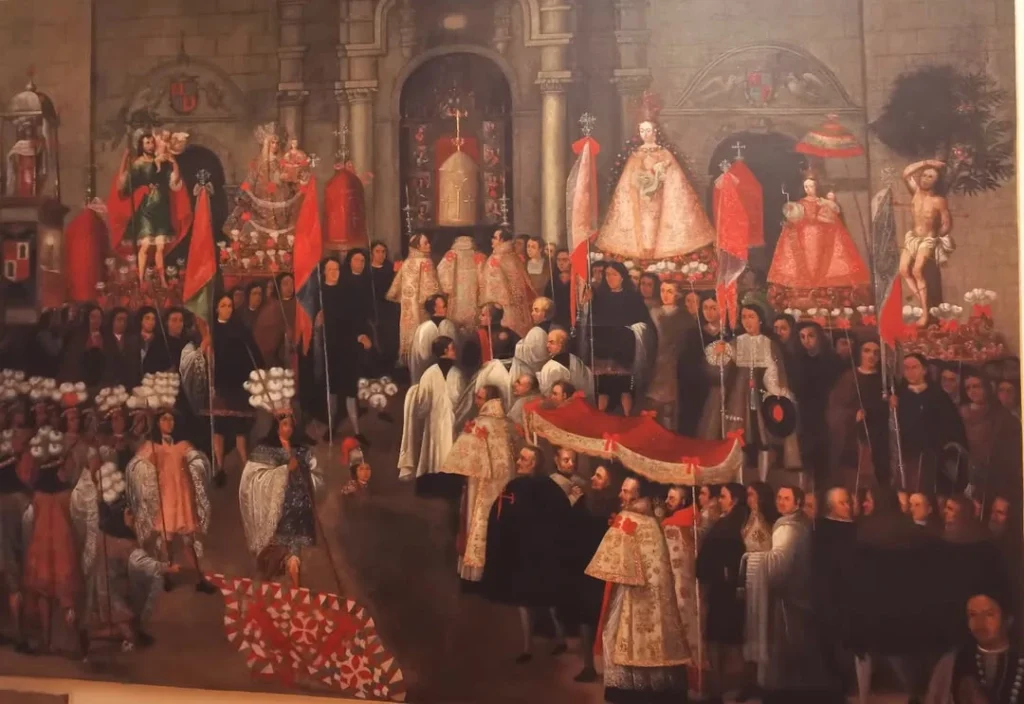
Corpus Christi in Cusco is also an opportunity to experience traditional dances, Andean music, and vibrant cultural expressions that accompany the processions. One of the culinary highlights of the day is the iconic chiriuchu, a cold traditional dish that locals enjoy exclusively during this celebration. The festival transforms the entire historic center into a living expression of devotion, culture, and centuries-old tradition.
June 24: Inti Raymi – Plaza de Armas Cusco & Sacsayhuamán
On June 24, Cusco celebrates Inti Raymi, one of the most iconic and culturally significant festivities of the Andean world. Known as the Festival of the Sun, this ceremony honors Inti, the Inca Sun God, and marks the winter solstice in the Southern Hemisphere an essential moment in Andean cosmology.
The modern reenactment of Inti Raymi, performed with great spectacle in Cusco’s Plaza de Armas and on the majestic esplanade of Sacsayhuamán, draws thousands of visitors from around the world. Spectators gather to witness a celebration filled with symbolism, tradition, and spiritual meaning, as actors recreate ancient Inca rituals, clothing, music, and ceremonial offerings. This event has become one of the top cultural attractions in Peru for travelers seeking authentic historical experiences.
Additional Insight:
Inti Raymi was the largest and most important festival of the Inca Empire, established by Inca Pachacútec to honor the Sun God considered the source of life, energy, and agricultural abundance. It marked the end of the harvest and the beginning of a new agricultural cycle, reinforcing the cosmic balance that governed Andean civilization.
Cusco in July 2026
July 15: Virgen del Carmen – Paucartambo, Pisac & Huarocondo
The Festival of the Virgin of Carmen, celebrated on July 15, unites communities such as Paucartambo, Pisac, and Huarocondo in a vibrant expression of faith, culture, and centuries-old tradition. In Paucartambo, the beloved Mamacha Carmen is honored with solemn processions and iconic dances like the Chunchos and the Saqras, which fill the streets with color, symbolism, and theatrical storytelling.
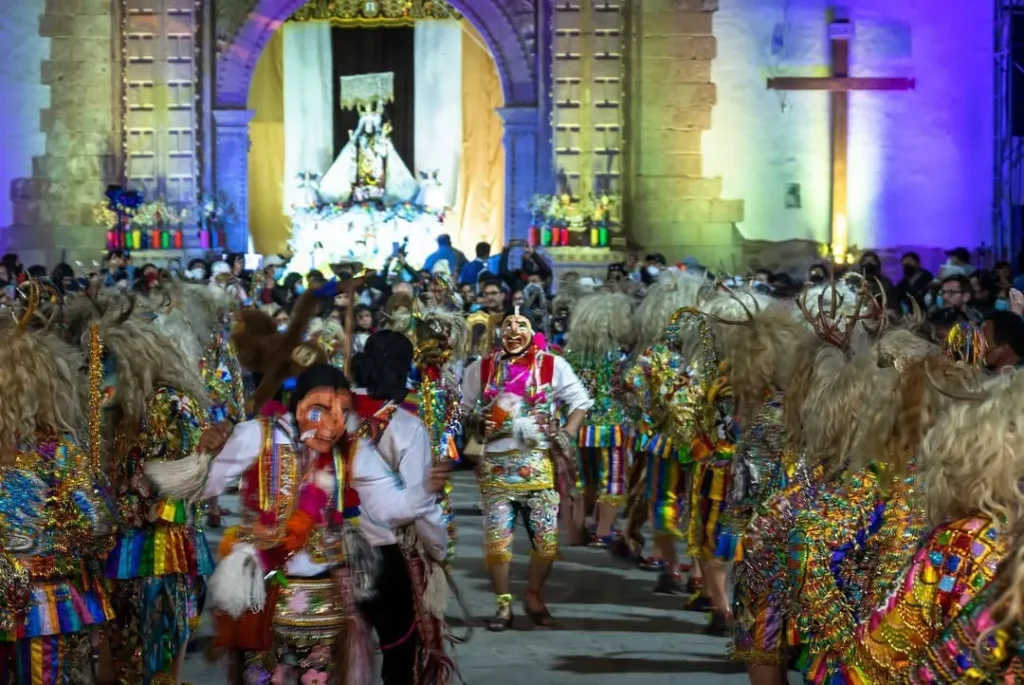
In Pisac, the celebration blends devotion with lively craft fairs and bustling local markets, creating a festive ambiance where artisans, musicians, and worshippers gather to accompany the Virgin in a floral, music-filled procession.
Meanwhile, Huarocondo stands out for its strong community devotion, offering masses, traditional dances, and one of the region’s most captivating local festivities complete with the burning of towering firework “castles” that light up the night sky. Together, these celebrations reflect the rich spiritual and cultural diversity of Cusco during the month of July.
July 28: Fiestas Patrias – Peru’s Independence Day
Peru’s Fiestas Patrias commemorate the proclamation of independence declared on July 28, 1821, by General José de San Martín in the city of Lima. This national celebration marks the birth of the Republic of Peru and honors the country’s struggle for freedom from Spanish rule. Across the nation, homes, institutions, and public buildings display the Peruvian flag as a symbol of unity and patriotism.
On this day, the President of Peru delivers the official Message to the Nation before Congress, outlining the state of the country and future plans. Military and civic ceremonies take place throughout the country, followed on July 29 by the Great Military Parade. In cities like Cusco, celebrations include cultural events, traditional music, and regional dances that highlight Peru’s diverse heritage. Fiestas Patrias are considered the most important civic celebration in the country, reinforcing national identity and historical memory.
Cusco in August 2026
August 1: Day of the Pachamama
The Day of the Pachamama, known as the Mother Earth Celebration, is one of the most meaningful traditions within the Andean worldview. On this spiritual date, local communities, farmers, and international travelers gather to honor Pachamama, expressing gratitude for the fertility of the land and asking for her protection and abundance for the next agricultural cycle. This celebration has become an important cultural event for visitors seeking authentic experiences in the Peruvian Andes.
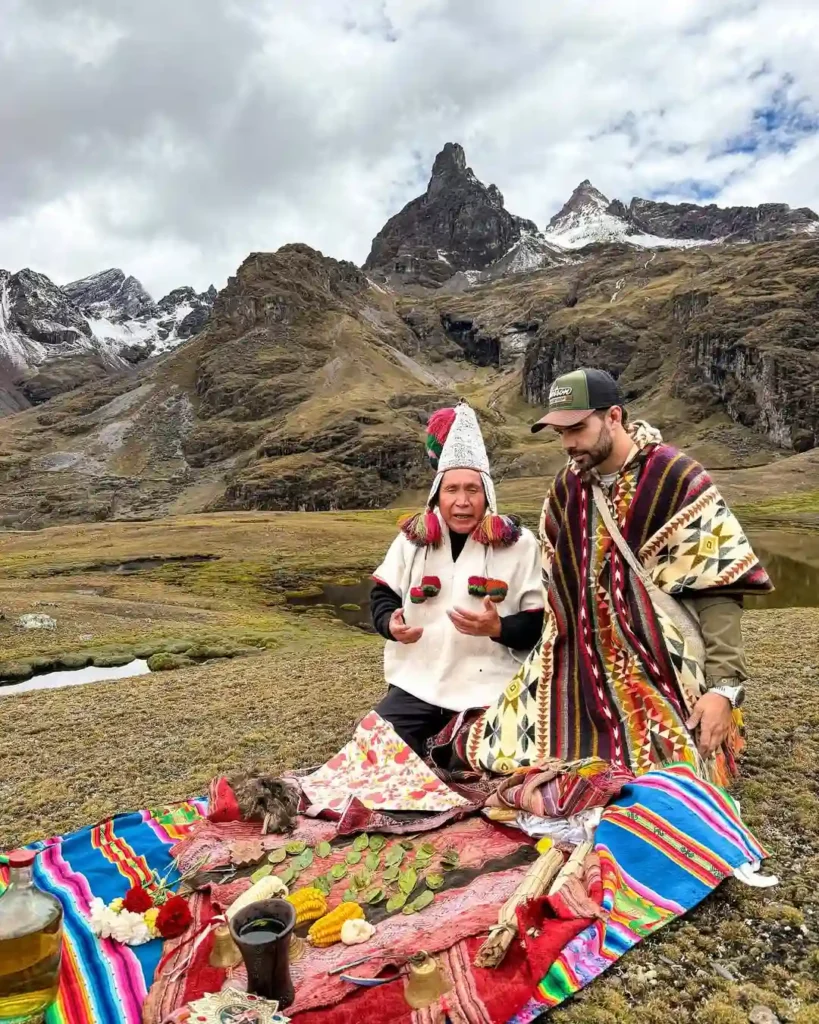
During this special day, ancient Andean rituals are performed, where offerings such as coca leaves, chicha, flowers, and agricultural products are placed in sacred locations like Sacsayhuamán and the surrounding Apus, or guardian mountains. Andean priests, known as paqos, lead these ceremonies through traditional “payments to the earth,” preparing a ritual despacho filled with symbolic items meant to nourish and honor Pachamama. These spiritual practices offer visitors a profound cultural immersion and an opportunity to connect with the ancestral heritage of the Andes.
Cusco in September 2026
September 14: Señor de Huanca – San Salvador
The Señor de Huanca, honored at the sacred sanctuary located in the district of San Salvador, about 48 km from Cusco, is one of the region’s most revered religious icons. According to local tradition, the devotion began during colonial times after an image of Christ miraculously appeared inside a cave, transforming the site into a major destination for spiritual pilgrimage in the Andes. Today, it remains a powerful symbol of faith for thousands of believers.
Every September 14, thousands of devotees from across South America journey through mountain landscapes to reach the sanctuary, seeking blessings, miracles, healing, and protection. This long-standing pilgrimage, deeply rooted in Andean Catholic culture, highlights the profound spiritual significance of the Señor de Huanca and its impact on the religious identity of the Cusco region.
September 30: Patron Saint Jerome – District of San Jerónimo
The annual celebration dedicated to Patron Saint Jerome, known locally as San Jerónimo Doctor, takes place from September 27 to 30, with its main feast day on the 30th. During this important cultural and religious event in the district of San Jerónimo, the sacred image of the Patron is carried in a solemn procession twice each year: once during the Corpus Christi festivities and again during his patronal celebration. This traditional event attracts both local residents and visitors interested in experiencing authentic Andean religious ceremonies.
Cusco in October 2026
October 31: Halloween & Día de la Canción Criolla
On October 31, Cusco celebrates a unique blend of local heritage and international influence. While Halloween has become increasingly popular especially among younger generations who enjoy costume parties, themed events, and nightlife activities, the Día de la Canción Criolla keeps Peru’s traditional music and cultural identity alive through live performances, guitar ensembles, and folk gatherings.
The Plaza de Armas turns into a vibrant meeting point where colorful costumes mix seamlessly with Criollo music traditions. Both locals and visitors gather to admire the creativity of the participants, enjoy the festive atmosphere, and witness the cultural contrast that defines this special night. It is an evening where Cusco showcases its ability to embrace modern customs while proudly preserving its own cultural roots.
Cusco in November 2026
November 1: All Saints’ Day
All Saints’ Day in Cusco is a deeply spiritual celebration during which families visit cemeteries to honor and remember their loved ones who have passed away. On this meaningful day, offerings of flowers, candles, and traditional foods—such as roasted pork (lechón) and the symbolic pan wawa, a sweet bread shaped like a baby—are prepared as expressions of love, remembrance, and continuity of life.
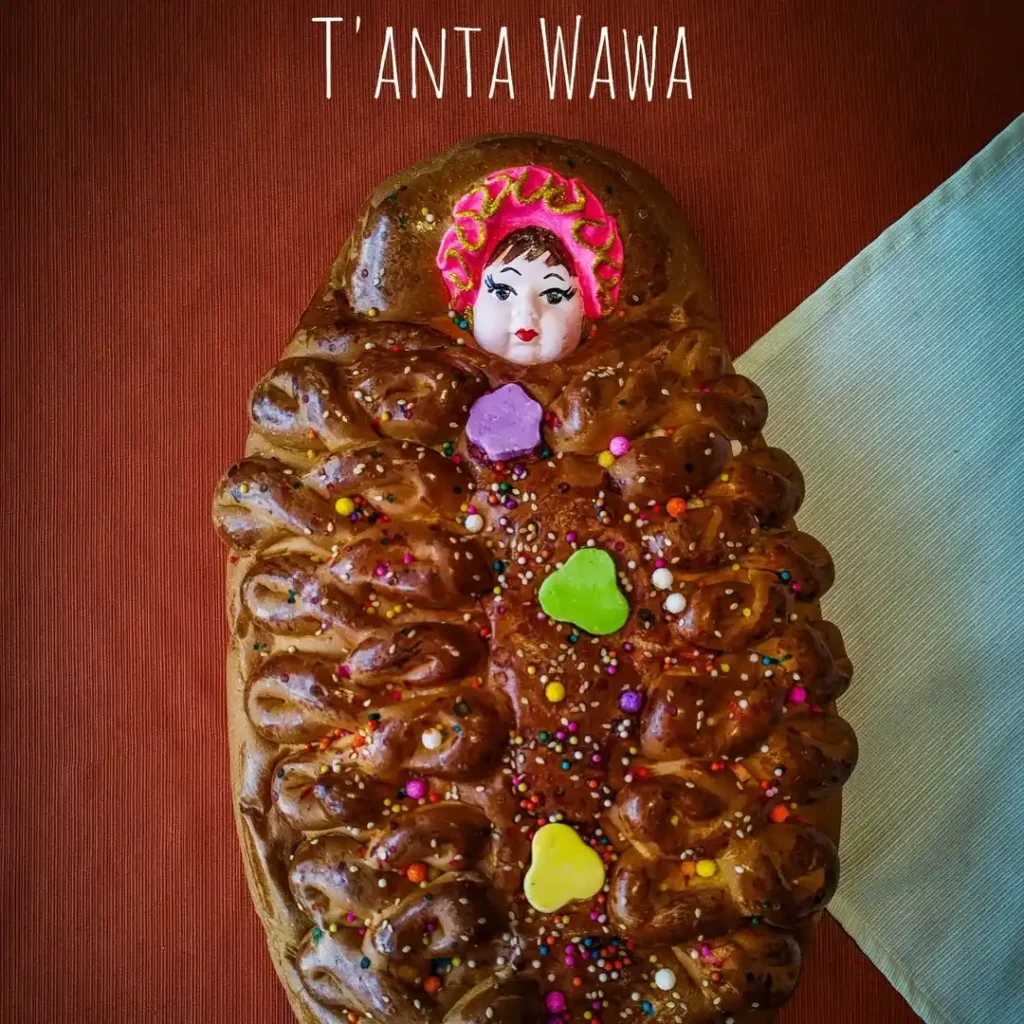
This date is marked by family gatherings, reflection, and a blending of Christian beliefs with ancient Andean traditions. In the Andean worldview, death is not an end but a transition to another dimension of existence. Besides cemetery visits, local fairs and gastronomic events take place throughout the region, allowing residents and travelers to enjoy the rich culinary heritage, seasonal dishes, and cultural customs that make November 1 a special date in Cusco’s festive calendar.
Cusco in November 2026
November 2: Day of the Dead
The Day of the Dead in Cusco is a continuation of the All Saints’ Day celebration, but with a more intimate and personal focus. It is believed that on this date, the spirits of loved ones return to visit their families, which is why households prepare special altars decorated with personal belongings, photographs, candles, and favorite foods of the departed. In rural communities across the Cusco region, this tradition remains especially strong, reflecting the Andean worldview where honoring ancestors is an essential part of daily life and spiritual continuity.
Extra Fact » Many families spend the day at the cemetery sharing stories, traditional music, and homemade meals. The atmosphere blends solemnity with joy, creating a heartfelt celebration of memory, connection, and cultural identity.
Cusco in December 2026
December 24: Santurantikuy – Christmas Fair at the Plaza de Armas
On December 24, Cusco hosts one of the most iconic Christmas markets in Latin America: Santurantikuy, held in the historic Plaza de Armas. Artisans and vendors from across the region gather to showcase handcrafted pieces, Christmas decorations, traditional Andean art, and religious imagery in a vibrant festive atmosphere. This beloved fair, whose name in Quechua means “sale of saints,” is far more than a holiday market; it is a cultural celebration that brings together art, spirituality, and community, attracting both locals and travelers from around the world.
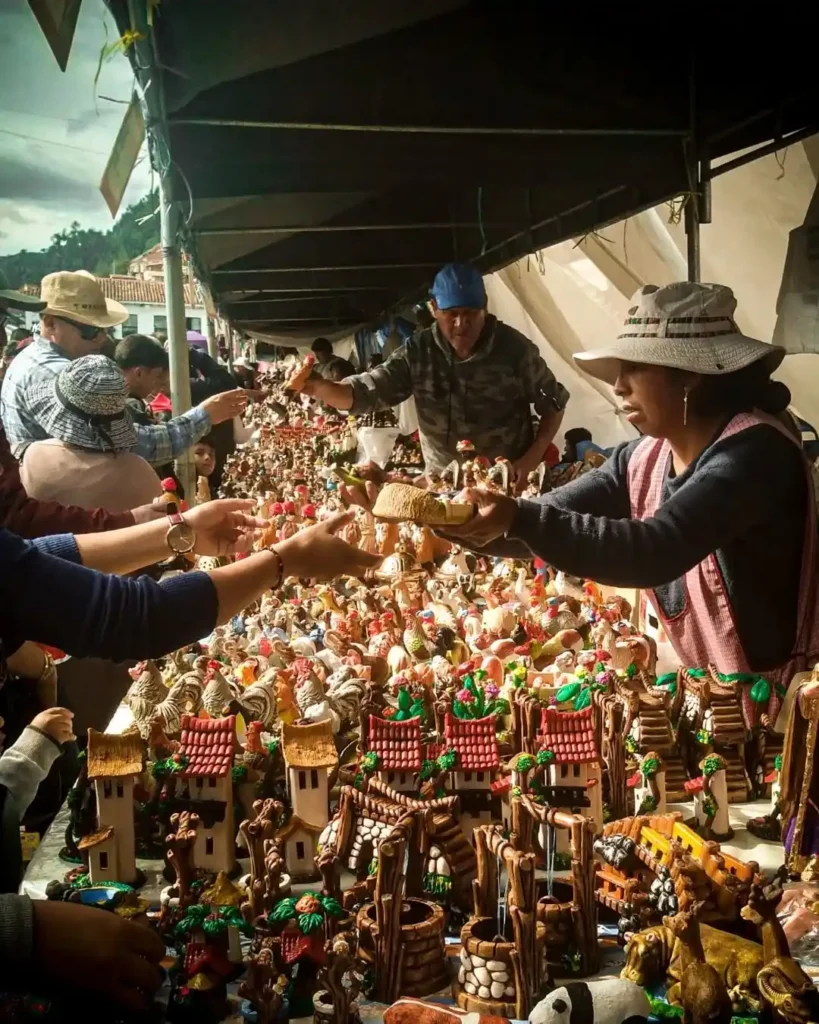
Extra Fact » One of the most captivating features of Santurantikuy is the display of meticulously crafted Nativity scenes, created by skilled local artisans. These miniature representations of the birth of Jesus include figures of Mary, Joseph, the Baby Jesus, the Three Wise Men, shepherds, and animals, all made from materials such as ceramic, wood, plaster, or woven textiles. These handmade pieces highlight Cusco’s rich artistic heritage and make Santurantikuy an unforgettable part of the Christmas season.
Cusco in December 2026
December 31: New Year’s Eve in Cusco
New Year’s Eve in Cusco, celebrated on the night of December 31, is one of the city’s most anticipated annual events. The historic streets fill with vibrant colors, joyful crowds, and a unique blend of Andean traditions and modern festive culture. Visitors and locals gather around the Plaza de Armas to welcome the New Year with ancestral rituals for good fortune, energetic live music, and a spectacular fireworks show that lights up the sky over the colonial rooftops. From yellow clothing for luck to small ceremonial offerings, Cusco offers a magical atmosphere that turns the New Year celebration into an unforgettable cultural experience.
Festivities in Cusco: A Year of Tradition and Faith
If you are planning to visit Cusco in 2026, make sure to align your trip with one of these remarkable celebrations. Participating in these traditions goes far beyond sightseeing it’s an opportunity to feel the soul of the Andes, connect with centuries-old customs, and immerse yourself in the cultural heartbeat of the region. In Cusco, you don’t simply visit the city… you live it.