

The Inca Jungle is more than just a trek to Machu Picchu; it’s an adventure that blends history, adrenaline, and breathtaking nature. From biking down snow‑capped passes to soaking in tropical hot springs, every step reveals a new layer of Peru’s incredible landscapes. This alternative route invites travelers of all ages to discover hidden Inca trails, vibrant orchids, and the living culture of the Andes, making it one of the most unforgettable journeys in South America.
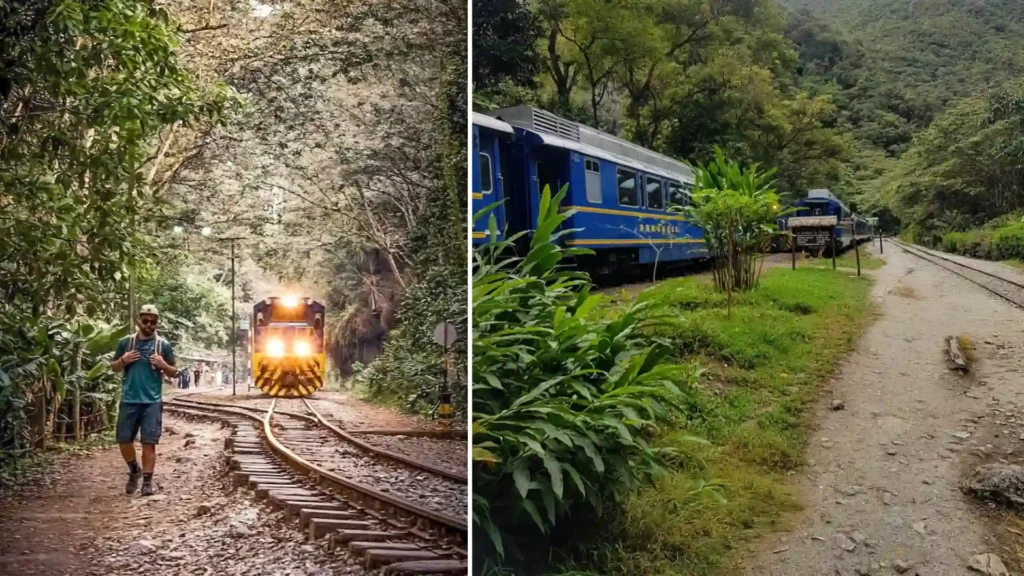
What to Bring to the Inca Jungle Tour
- Hat or cap
- Sunscreen
- Mosquito repellent
- Trekking shoes
- Canteen with water
- Cotton clothing for 4 days
- Rain poncho (in case of precipitation)
- Swimsuit and towel (for the Cocalmayo hot springs)
- Trekking backpack
- Extra cash in hand (if needed)
- Camera
Inca Jungle
Designed as an alternative to the classic Inca Trail and recommended for people of different ages who have a strong sense of adventure and curiosity.
We will follow recently discovered paths of the Inca Trail.
What is the Route of the Inca Jungle?
The Inca Jungle begins in the city of Cusco and ends in Machu Picchu.
During the journey, you cross the Sacred Valley of the Incas, then enter the cloud forest of Cusco, and finally arrive at the Wonder of the World.
This is the route during the 4‑day tour:
- Day 1: Cusco – Abra Málaga – Town of Santa María
- Day 2: Santa María – Hot Springs – Town of Santa Teresa
- Day 3: Santa Teresa – Hydroelectric – Town of Aguas Calientes
- Day 4: Aguas Calientes – Machu Picchu – Cusco
What is the Climate During the Inca Jungle?
The climate during the Inca Jungle is varied.
- The coldest point is at Abra Málaga (average daytime temperature of 9°C).
- Then the route descends into the tropical climate of the cloud forest.
- The warmest point is in the town of Santa Teresa (daytime temperatures up to 26°C).
Physical Requirements & Difficulty
- The Inca Jungle is considered moderate to challenging, suitable for travelers with a good level of fitness.
- Activities include trekking, biking, rafting, and zip‑lining, so versatility and stamina are important.
- Daily walking distances range from 6 to 20 km, with altitude changes from 4,000 m (Abra Málaga) down to 1,500 m (Santa Teresa).
Accommodation & Meals
- Lodging is usually in basic hostels or family‑run guesthouses along the route.
- Meals are provided by tour operators and include local Peruvian dishes (soups, rice, chicken, trout, quinoa).
- Vegetarian and vegan options are available if requested in advance.
Permits & Regulations
- Unlike the Classic Inca Trail, the Inca Jungle does not require a special trekking permit, but entry to Machu Picchu does.
- All operators must be registered with SERFOR and comply with conservation rules.
- Travelers should carry their passport at all times, especially for Machu Picchu entry.
Highlights Along the Route
- Abra Málaga: Snow‑capped peaks and high‑altitude biking descent.
- Santa María: Gateway to rafting on the Vilcanota River.
- Cocalmayo Hot Springs: Natural pools perfect for relaxation.
- Santa Teresa: Known for coffee plantations and warm climate.
- Aguas Calientes: Base town for Machu Picchu, with markets and local cuisine.
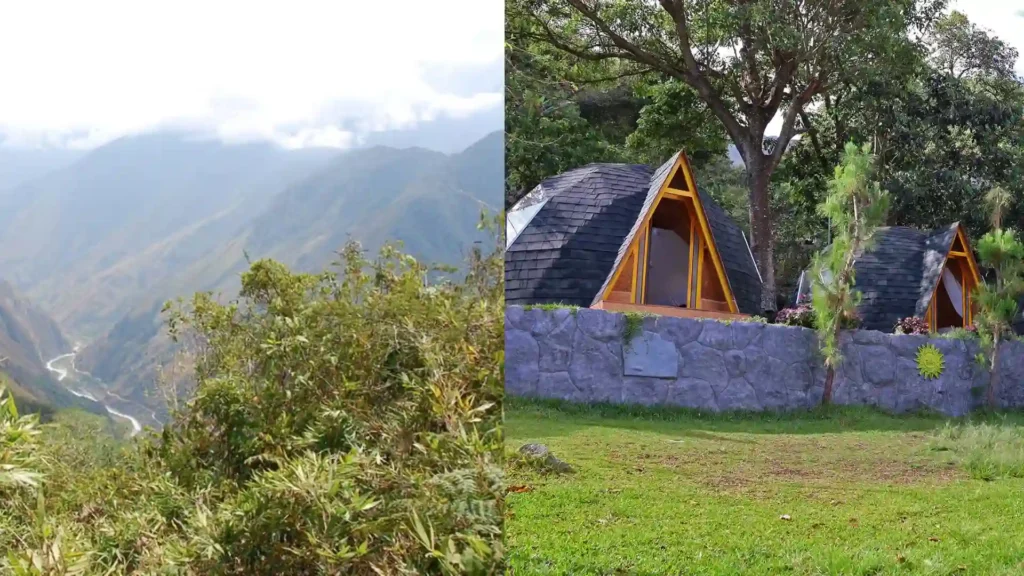
Packing Extras (Beyond Basics)
- Insect‑proof clothing (long sleeves, light fabrics) for jungle sections.
- Walking poles for steep descents.
- Portable charger/power bank (electricity is limited in some lodges).
- Dry bags to protect electronics from humidity.
- Snacks (nuts, chocolate, energy bars) for long trekking days.
Best Time to Go
- Dry season (May–September): Clear skies, best trekking conditions, peak orchid flowering.
- Rainy season (November–March): Fewer crowds, lush vegetation, but slippery trails.
- Shoulder months (April & October): Balanced weather, good for photography and fewer tourists.
Traveling the Inca Jungle is an unforgettable experience, an incredible journey that allows you to truly connect with nature.