
Nestled in the heart of the Peruvian Amazon, Manu National Park is a true ecological treasure. Covering over 1.5 million hectares, this UNESCO World Heritage Site is home to one of the richest biodiversities on Earth, from vibrant birds and exotic mammals to rare plants found nowhere else. Visiting Manu is not just an adventure—it’s an opportunity to support conservation and sustainable tourism.
Why Manu National Park is a Must-Visit
Manu National Park offers a rare combination of pristine rainforest, cloud forests, and high-altitude ecosystems. As a visitor, you can explore:
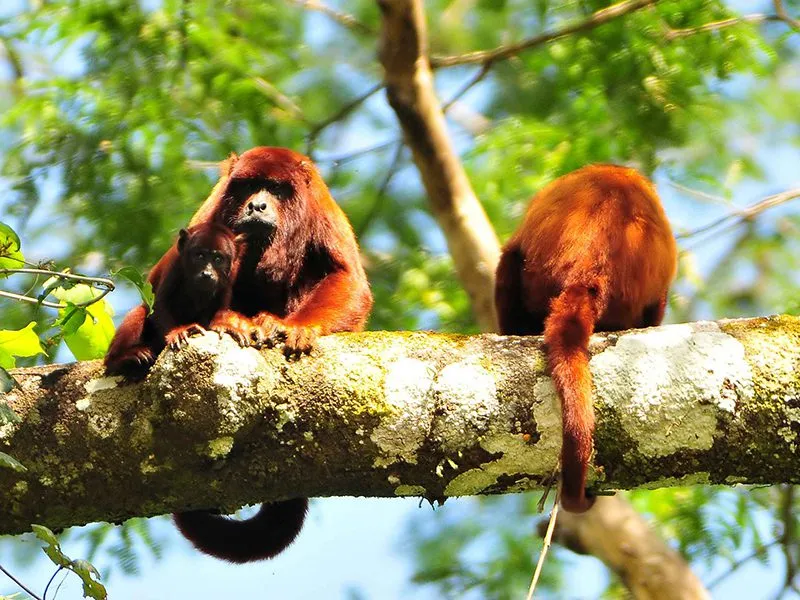
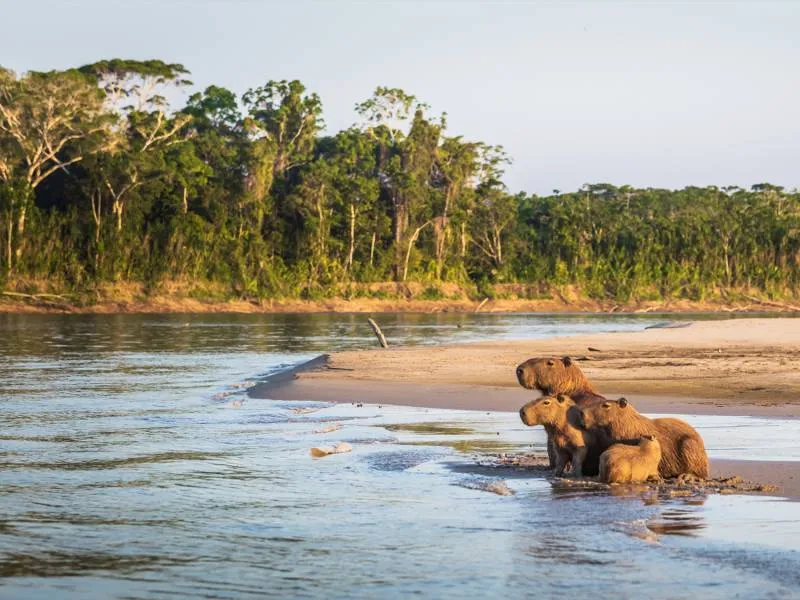
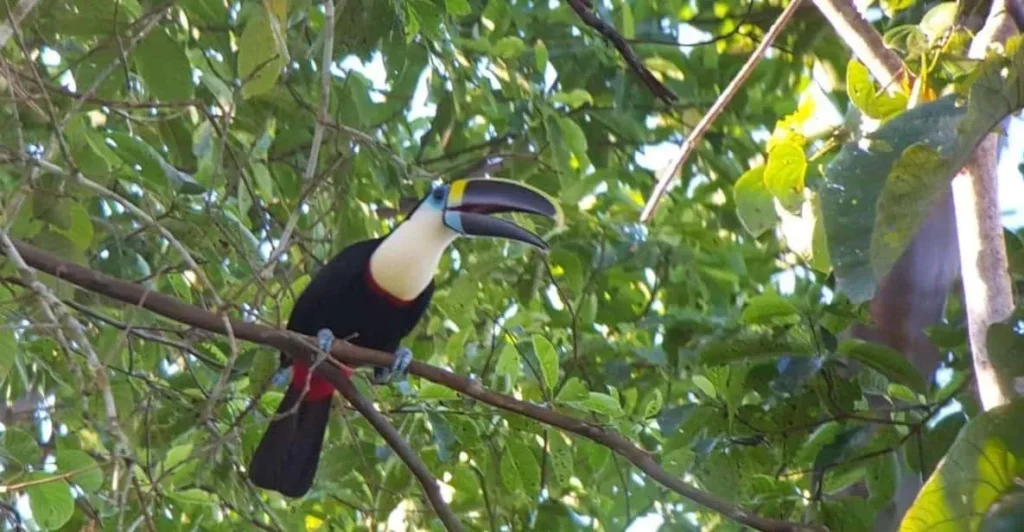
Wildlife spotting: Keep your eyes open for jaguars, giant otters, tapirs, and over 1,000 species of birds, including the colorful harpy eagle.
Ethnobotanical wonders: Discover plants with medicinal and cultural significance, used by local indigenous communities.
Cultural immersion: Learn from native communities like the Machiguenga and Yine about their sustainable ways of living in harmony with nature.
How Your Visit Supports Conservation
Ecotourism in Manu isn’t just about enjoying breathtaking landscapes—it’s a direct contribution to protecting the park. Here’s how your visit makes a difference:
Funding Preservation Projects: Entrance fees and guided tours support wildlife research, anti-poaching efforts, and reforestation programs.
Promoting Sustainable Practices: By choosing eco-friendly lodges, local guides, and low-impact activities, you help reduce human footprint in sensitive areas.
Empowering Local Communities: Tourism provides income and education opportunities for indigenous people, encouraging them to protect rather than exploit their environment.
Best Practices for Responsible Ecotourism
To maximize your positive impact:
Travel with certified eco-guides who understand local ecosystems.
Avoid single-use plastics; take reusable bottles and bags.
Respect wildlife—maintain a safe distance and never feed animals.
Stay in eco-lodges that use renewable energy and support community projects.
Experiencing Manu
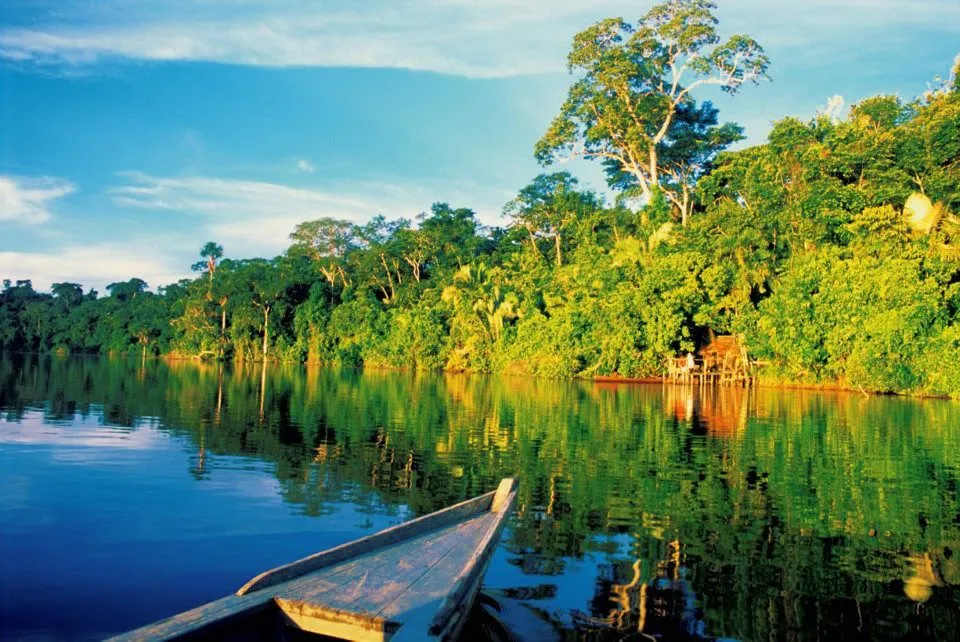
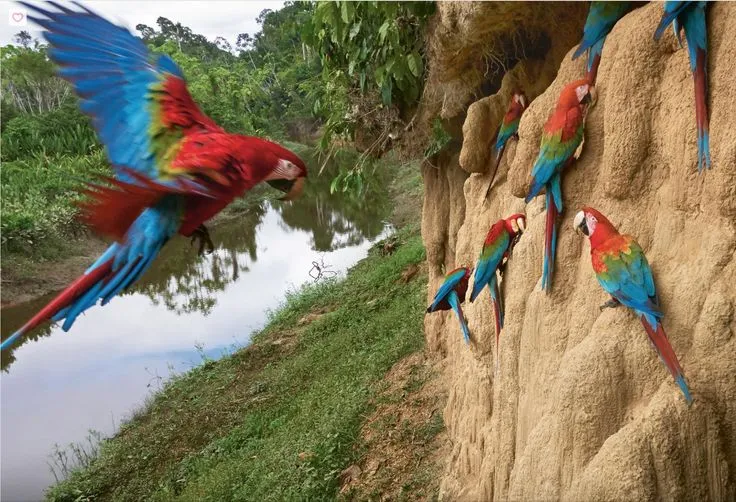
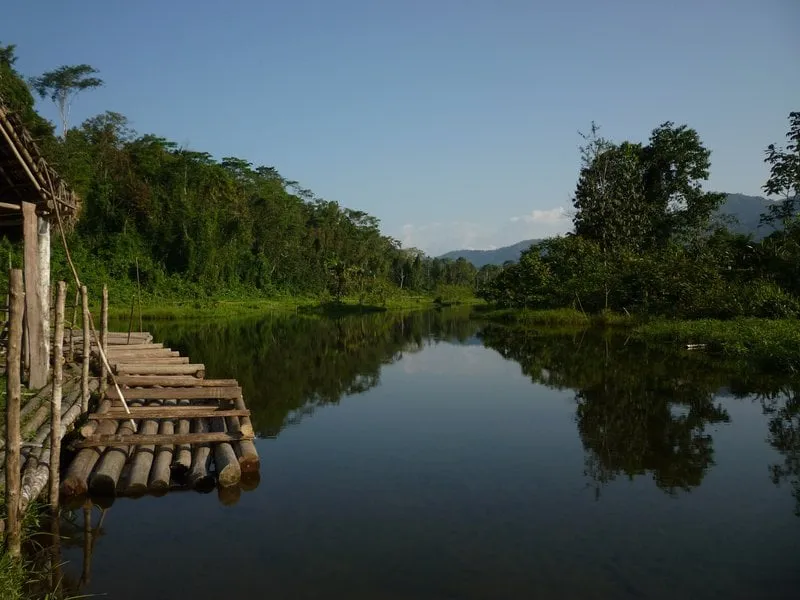
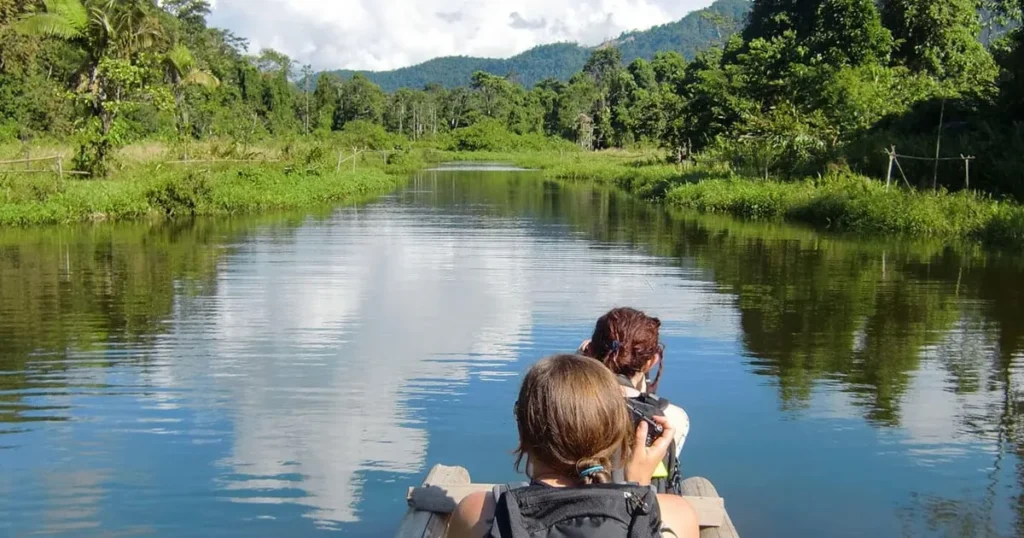
Visitors can choose multi-day tours that include river cruises, jungle hikes, and canopy observation platforms. Imagine waking up to the sounds of the jungle, spotting a macaw in flight, or paddling along the Madre de Dios River with a guide sharing centuries-old ecological knowledge. Every moment becomes a learning experience and a contribution to conservation.
Curiosities About Manu
Manu National Park is one of the most biodiverse places on Earth. Some areas host up to 1,000 species of trees per hectare.
The park has remained largely untouched due to restricted access, ensuring wildlife thrives.
Indigenous communities still practice traditional farming and hunting methods that are sustainable and conservation-friendly.
FAQs – Frequently Asked Questions
Q1: When is the best time to visit Manu?
A: The dry season from May to October is ideal for wildlife spotting and hiking.
Q2: Do I need a guide to enter the park?
A: Yes, guided tours are mandatory. They ensure your safety and provide valuable knowledge about the ecosystem.
Q3: Are accommodations inside the park eco-friendly?
A: Most lodges operate sustainably, using solar power, composting, and locally sourced food.
Q4: Is Manu suitable for children?
A: Yes, but expect long boat rides and jungle hikes; it’s best for kids who can handle outdoor adventures.
Common Mistakes Visitors Make
Not booking in advance: Access is limited, so plan ahead.
Feeding wildlife: This disrupts natural behavior and can harm animals.
Ignoring local regulations: Straying off trails or entering restricted areas can damage delicate ecosystems.
Overpacking non-essential items: Travel light and leave unnecessary plastics behind.
Visiting Manu National Park is more than a trip—it’s a responsible journey into one of the last great rainforests on Earth. Your visit directly contributes to conservation, supports local communities, and allows you to experience nature at its most pristine. By traveling responsibly, you become part of a global effort to protect this invaluable ecological and cultural heritage.
MANU NATIONAL PARK PHOTOS